
Handheld vs. Canister Lights for Cave Diving: Which Should You Choose?
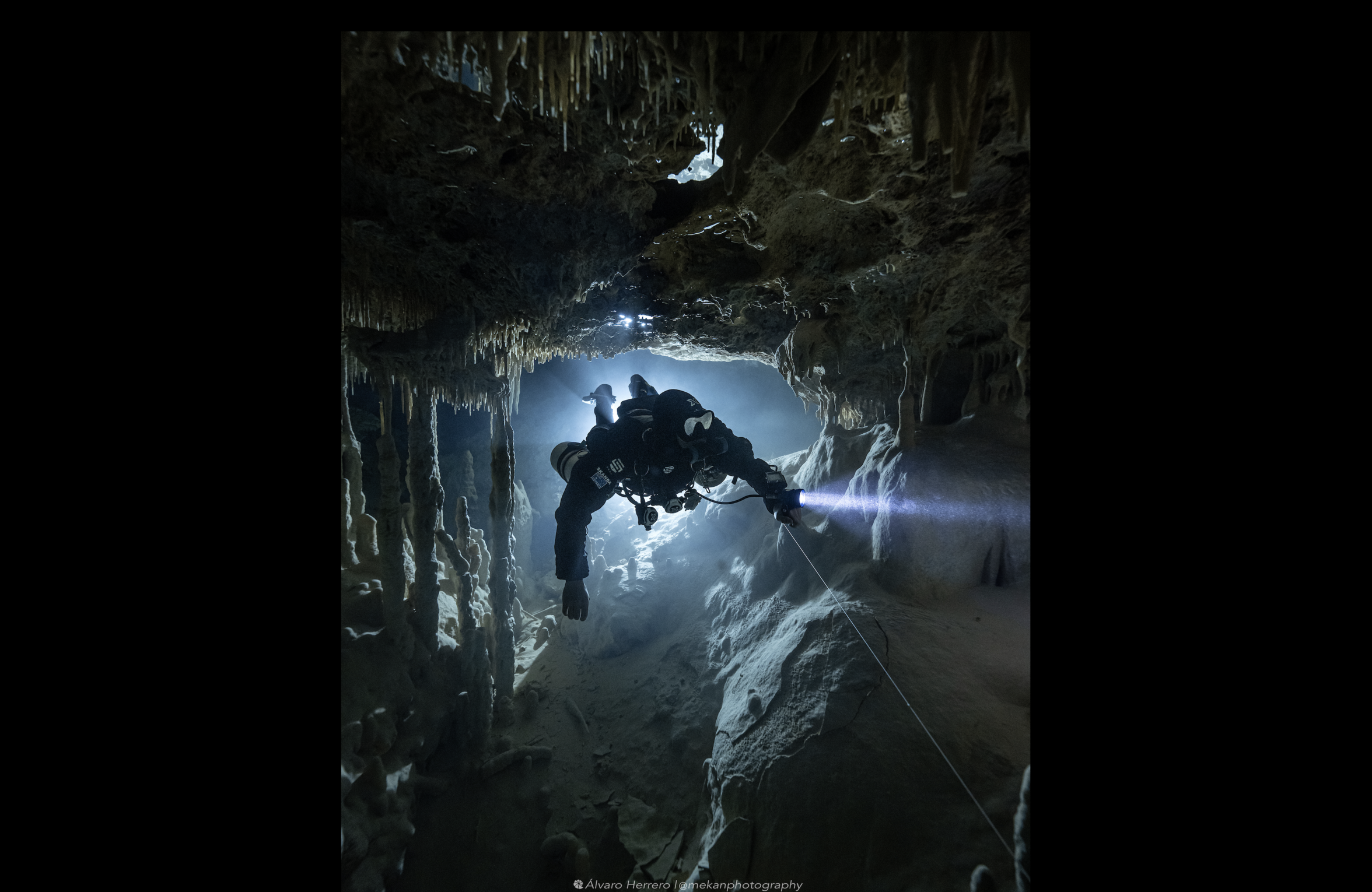
Lighting up the darkness with powerful primary and video lights
In recent years light technology has just got better and better. When I started cave diving, High Intensity Discharge (HID) lights were the best lights going (and the beams looked super cool). But they had their drawbacks, and LED lights were just starting to be used. Now powerful but small LED lights are pretty much exclusively used by cave and tech divers. Battery technology has similarly improved with storage size, and battery life getting better each year, making lighting up the cenotes and caves here on the Yucatan Peninsula easier and easier. Historically, cave and technical divers used canister lights to light up the dark and for communication. These featured a large battery pack connected to the light head with a cable. Now, divers can buy handheld primary lights with high power and long burn times. So are canister lights going to become a thing of the past?
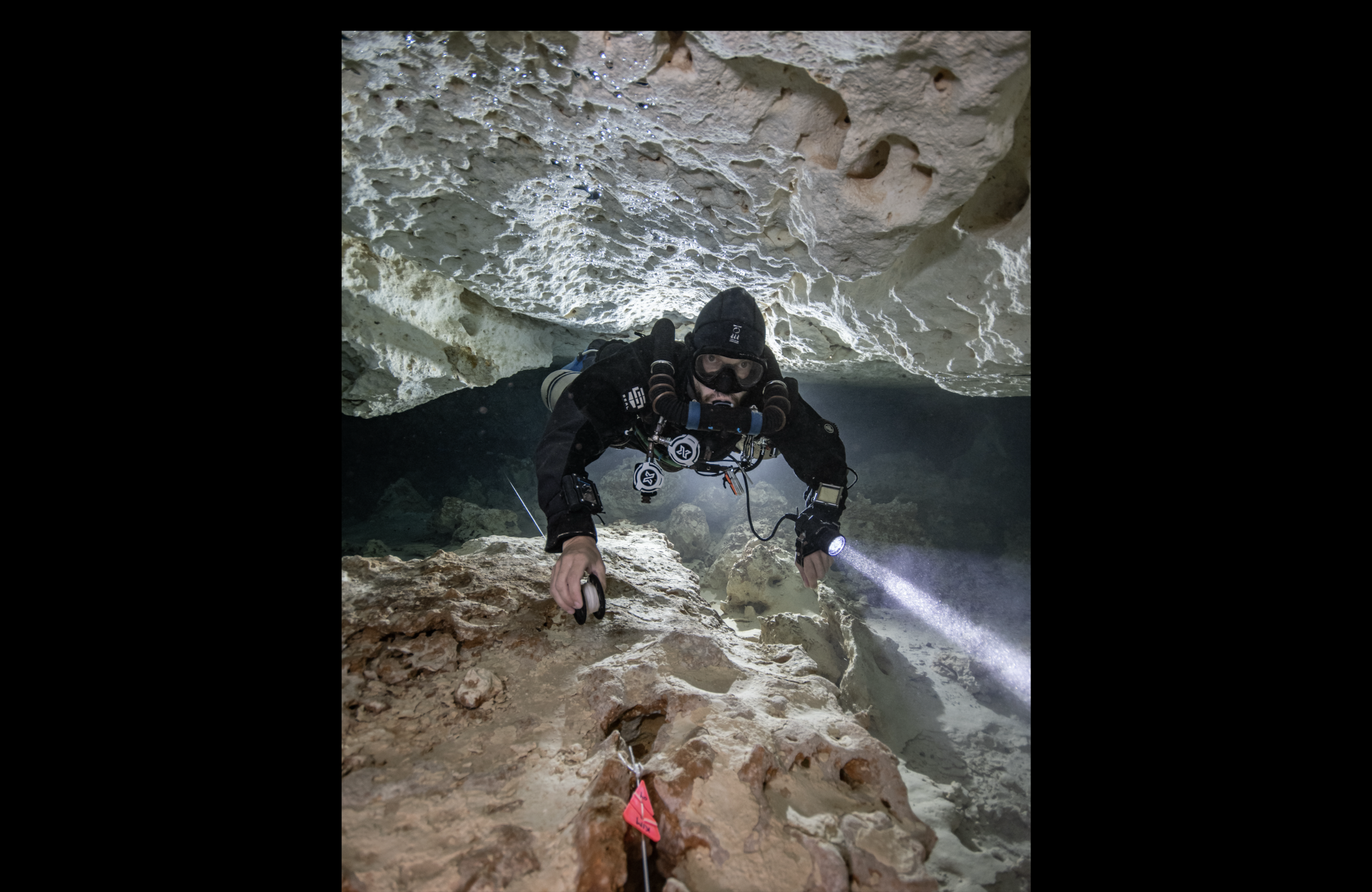
Connected to a jump line during a rebreather cave dive, where a canister light works for longer dive times
Canister Lights for Cave Diving: History and Advantages
Back when divers first started seriously cave diving in the 1970s and 1980s these were the only viable option for cave divers. As dives got longer, the halogen lights required more and more battery power. Lead acid batteries were the only option, so some of the first commercial lights were made by DiveRite using motorcycle batteries and light bulbs from film projectors. Even with big battery packs (think the size of a 5.5L tank!) some of these lights had a burn time of 90 minutes! Barely useful by today's standards! As light technology improved halogen bulbs were replaced with HID bulbs (instead of current heading up a filament like in a halogen bulb, it heated up a gas) and batteries changed to nickel and lithium materials. The design remained the same: a light head linked to the battery canister by cable. Battery canisters are usually mounted on the right hip if diving twinset (two tanks backmounted), or on the divers’ butt if diving sidemount. Not having the power for the light on the hand, modern LED lightheads can be relatively small but pack a serious amount of lumens! The battery size allows for a light that will last as long as divers need light for.
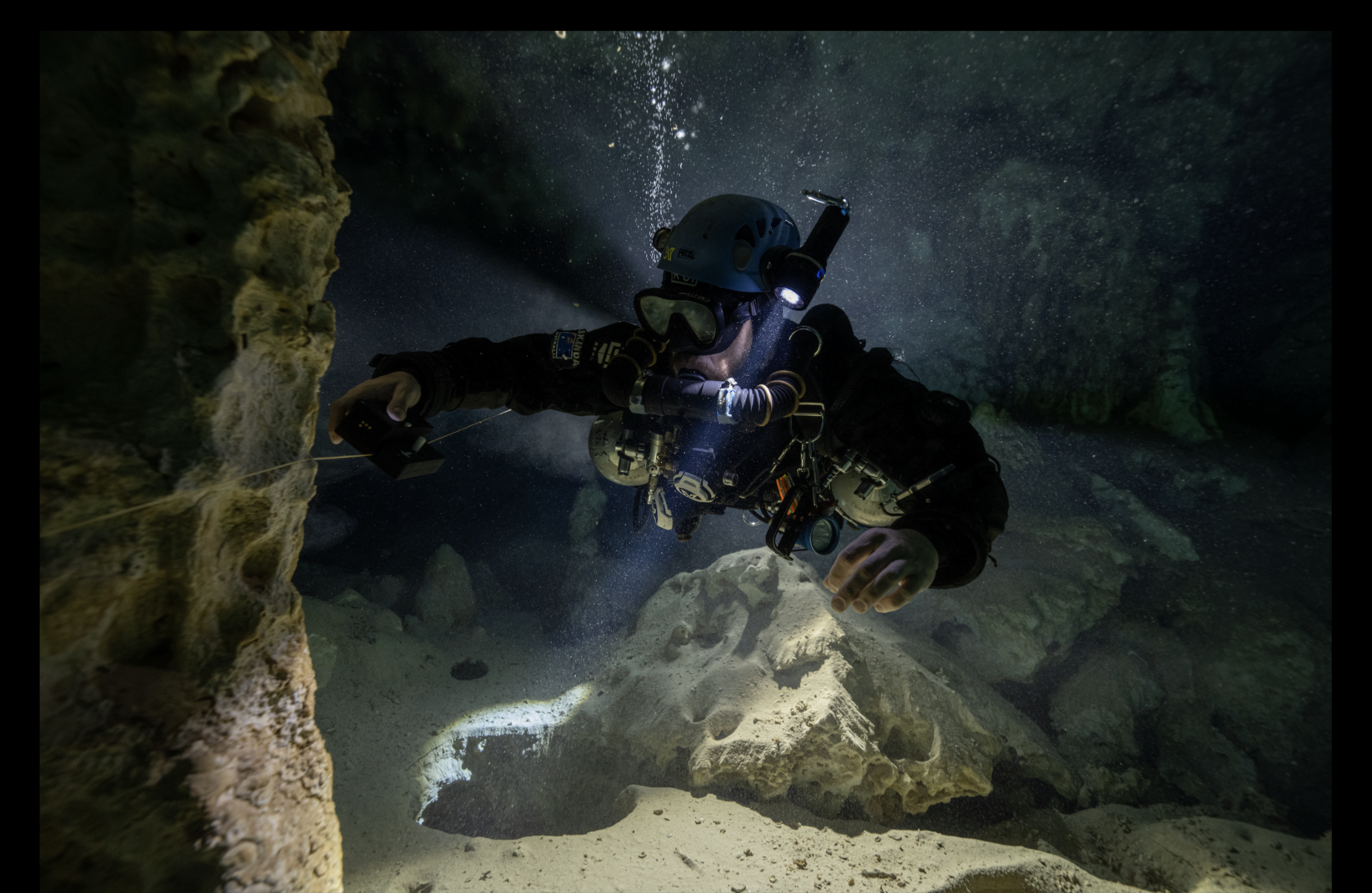
Skanda using a handheld primary light (on the helmet) during a cave resurvey dive
Handheld Cave Diving Lights: Travel-Friendly and Cost-Effective
I first came across handheld primary lights while guiding rebreather divers on long cave dives. These particular clients had decided that for travel, flying with big battery packs could be complicated with security (even when the batteries were within the allowed flying specifications). So they were using handheld BigBlue lights for their diving. The drawback to these powerful lights was that they had shorter burn times than the dives. We were doing 3 to 4 hour dives and the lights were lasting only 3 hours. Not a problem, because of the cost of these lights (roughly a third of the price of a premium canister light), these divers had bought two each. Now along with their two backup lights, they had a backup primary light. Handheld lights offer pricing advantages over canister lights, and generally have the same power. When used on lower power settings they can last for long times.
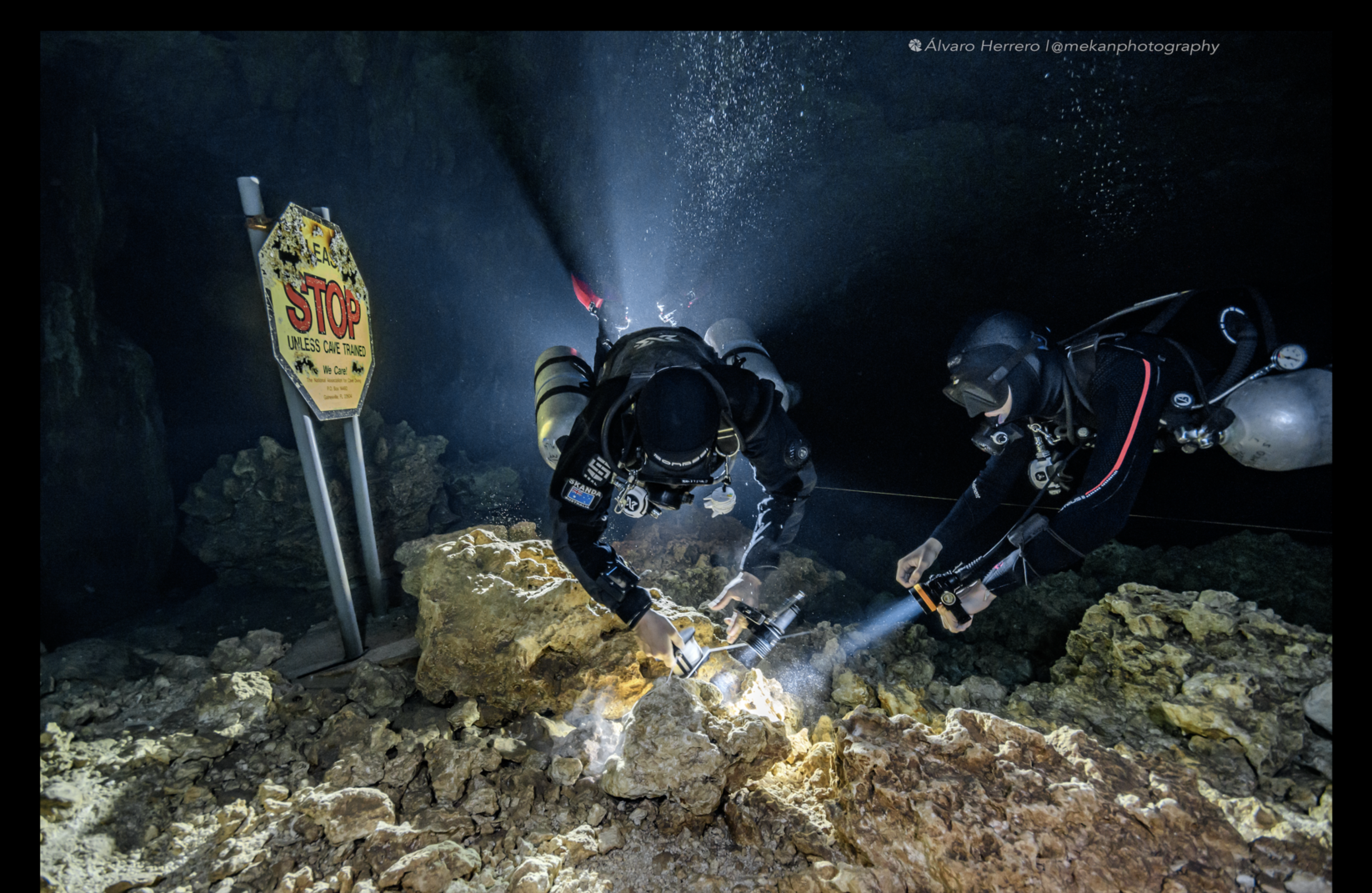
Skanda Coffield-Feith teaching a cave diving student using handheld light
Canister vs. Handheld: Pros, Cons, and What Cave Divers in Tulum Actually Use
Handheld lights lack the burn time that canister lights provide, so if you are looking for something with power and time a canister light can be the answer. Some divers prefer handheld lights over canisters as they don’t have to manage the cable (also a common failure point, breaks in the cable happen, and generally mean the light has to be sent off for service and repairs). In cave diving training, reminding students to tuck away their light cables when entering simulated visibility to avoid it becoming hooked on the cave features is very common! The cable does provide security, there is no chance you could drop the lighthead and it falls into a crevice or into the depths! The more powerful the handheld light, the bigger the battery needed to power it. This results in some giant lights! I personally don’t like to have the weight of such a big handheld light on my hand, and quick change drysuit wrist seal rings can affect how a light sits on your hands. If you use a helmet and want to mount your light on the helmet for handsfree work like taking survey data notes, or writing in wetnotes in general, a big, heavy hand held light can be a bit uncomfortable to put up on the helmet.
For average length full cave dives in Mexico, that usually last 80-100 minutes a handheld light will work just fine. Even running it on full power, you can always have a second battery and switch between dives. For a longer cave dive around Tulum of 2-3 hours the handheld light should last, but you might consider stepping down the power setting. For longer dive times, if travel is not a consideration or you wanted to run video lights or heating off the same battery, a canister light is the best option. You can scale the size of the battery depending on what you are doing. I personally use a SEAYA canister light for longer cave dives and exploration as it gives me the burn time I need. I also carry with me a BigBlue 3800 lumen handheld light as a back up primary. In that way, if my light (or a teammates’ light stops working we don’t have to end the dive and go home.
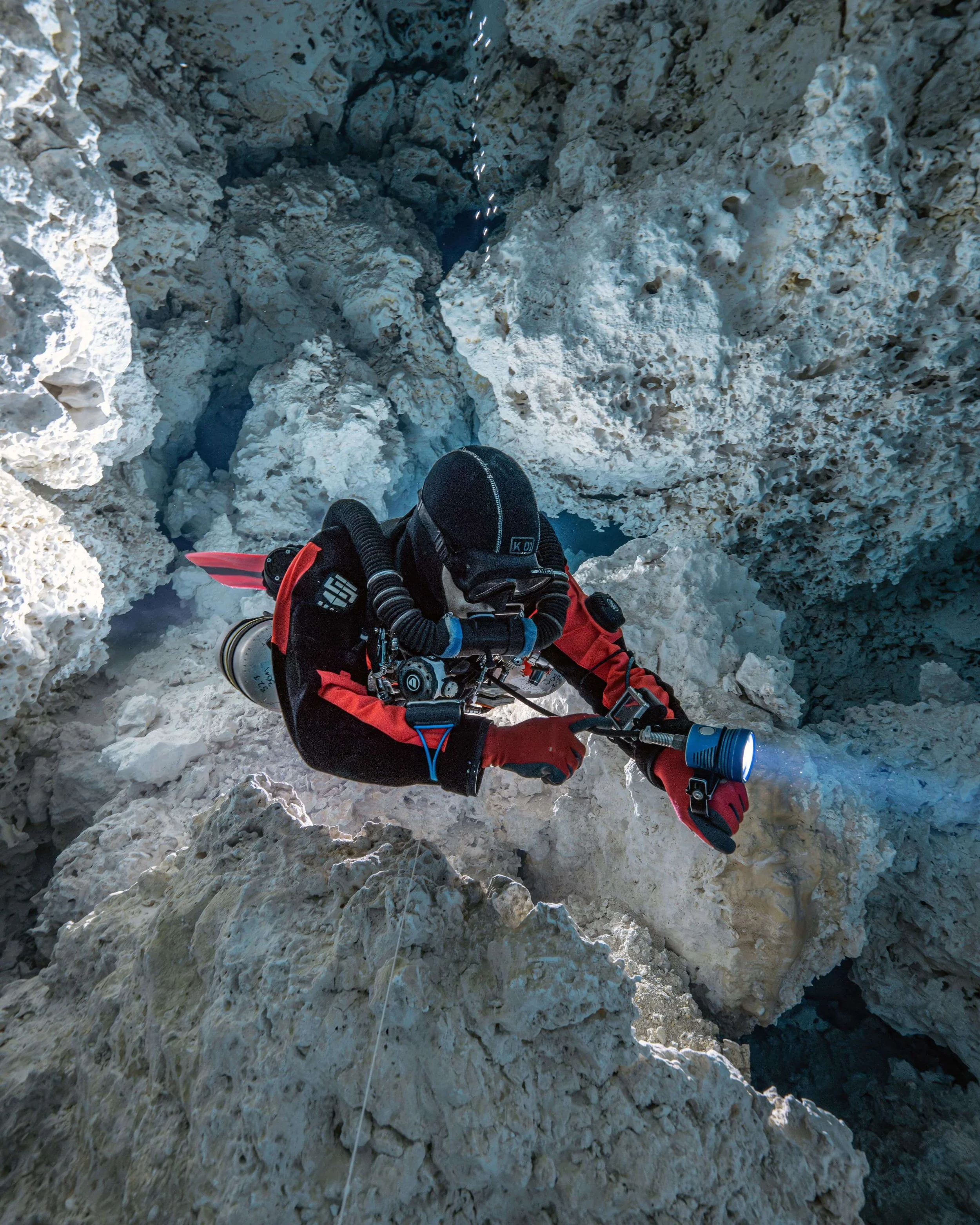
The size of the light head on Skanda's canister light is comfortable with drysuit cuffs and not too heavy
Considerations for primary lights
For cave divers travelling to Mexico for dives under 100 minutes, a high-quality handheld light is sufficient. For expeditions, extended range dives, or divers running video or heating systems, a canister light remains the superior choice. As I have both handheld lights and canisters, if you are training with me you can test both systems and see which is most comfortable for you.

Using primary lights for communication in the open water is critical for team diving
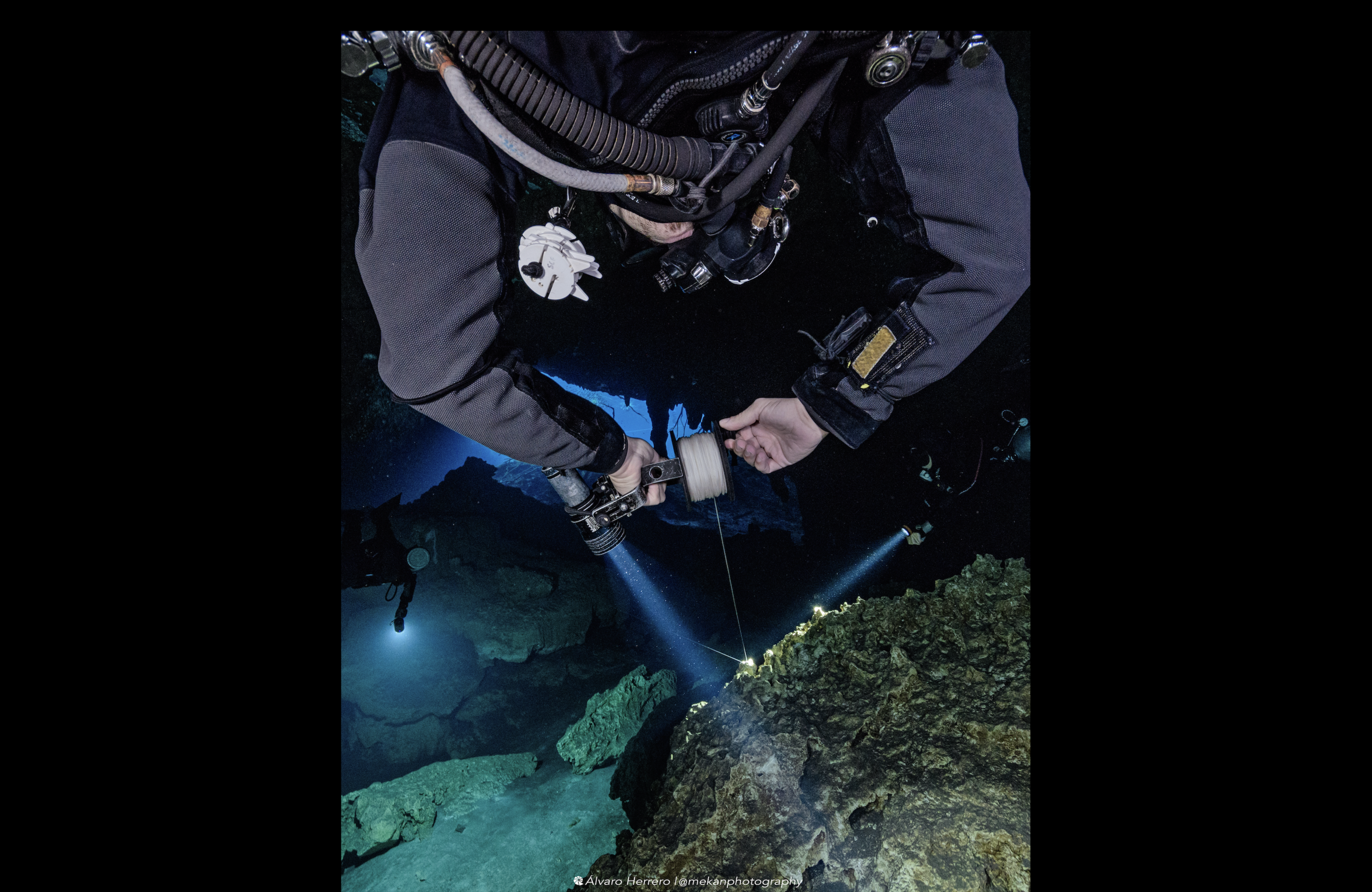
Not cave trained yet? Contact me to discuss your training pathway.
