
This blog is a way for me to share some projects that I’ve being working on,
hope you enjoy the reading — Let’s dive in.
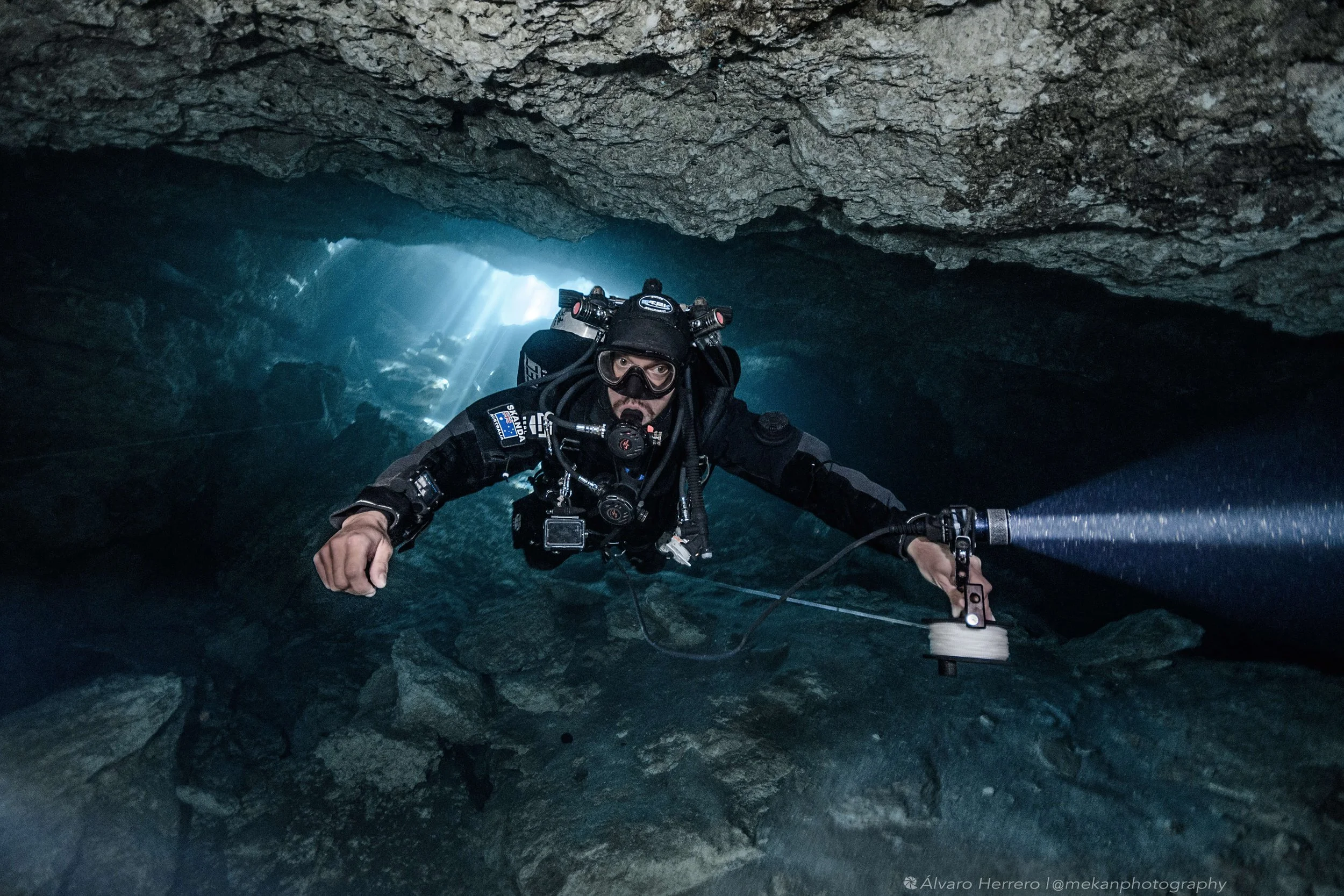
The Training Pathway to Become a Cave Diver
A complete guide to the cave diver training pathway in Tulum, Mexico — from Open Water through Sidemount or Twinset foundations to RAID Cave 1 and Cave 2 certification.

Handheld vs. Canister Lights for Cave Diving: Which Should You Choose?
Canister or handheld? Cave diving instructor Skanda Coffield-Feith breaks down the real-world trade-offs in dive light technology, burn times, and travel logistics — with guidance for cave divers visiting Tulum and the Yucatán.
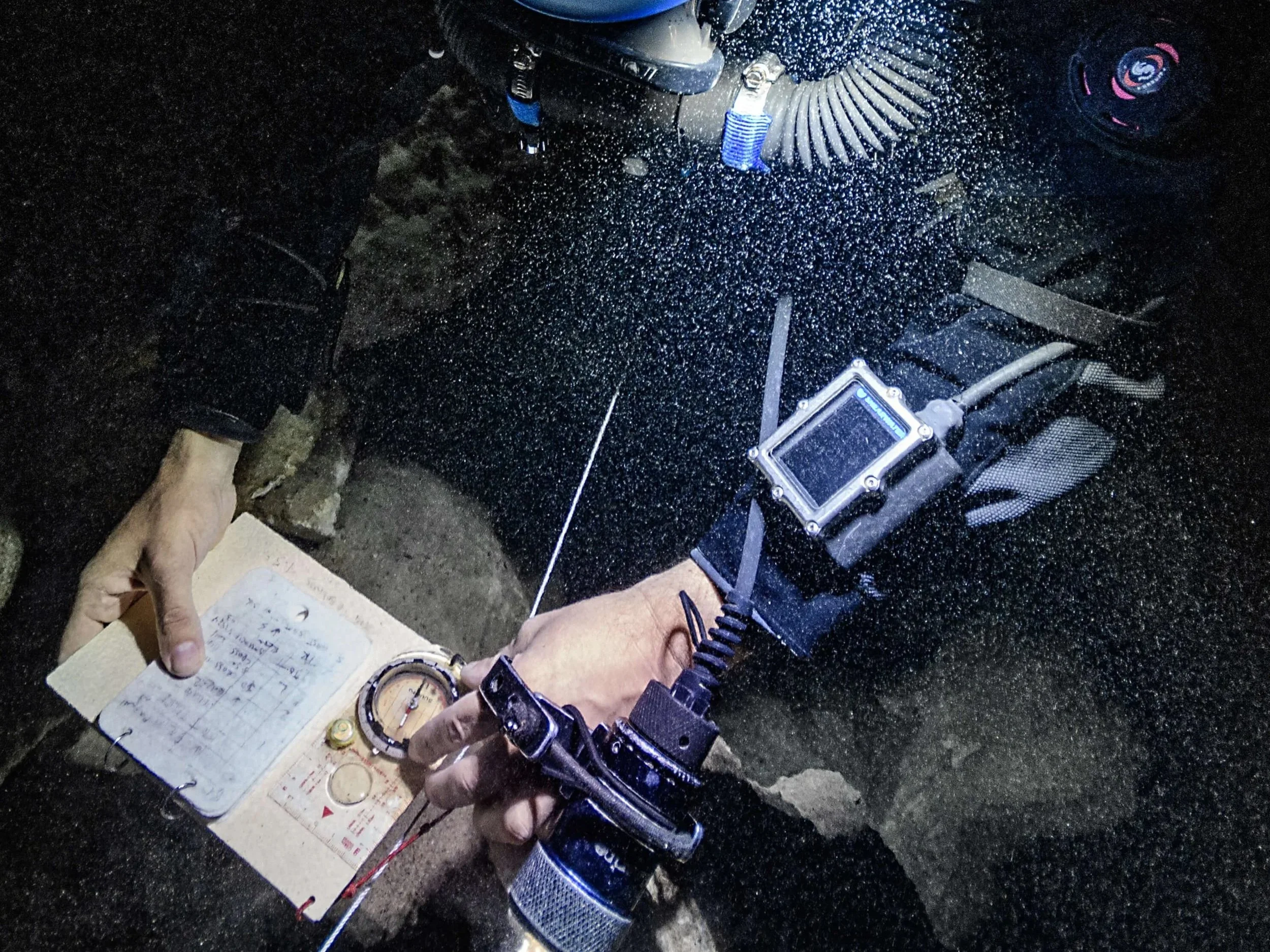
Learning the Art of underwater Cave survey
Join Cave Diving Adventures' hands-on cave survey course in Mexico. Learn about manual survey techniques, Mnemo V2, Ariane's Line software, and SpeleoDB — designed for advanced cave and stage divers

Stage Cave Diving Training: Why It Changed the Way I Think About the Cave
Stage cave diving training in Tulum with TDI instructor Skanda Coffield-Feith. Extend your cave penetration, master gas planning, and dive deeper into the Yucatán’s cave systems.
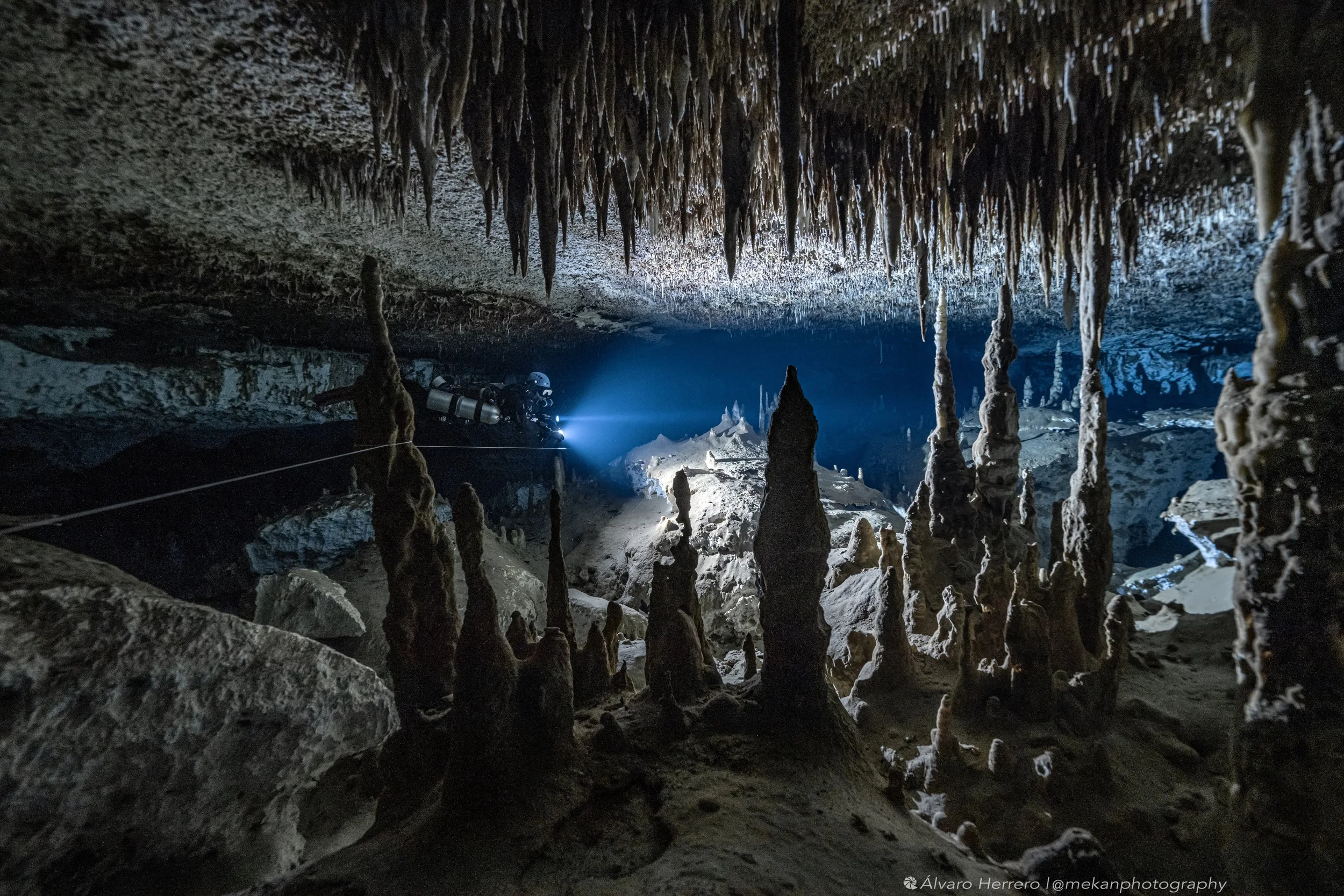
kiss sidewinder 2 updates
Catch up on the updates about the KISS Rebreathers Sidewinder 2. The Sidewinder 2 CCR has passed its CE certification. What does this mean for divers who want to get their hands on this revolutionary rebreather?
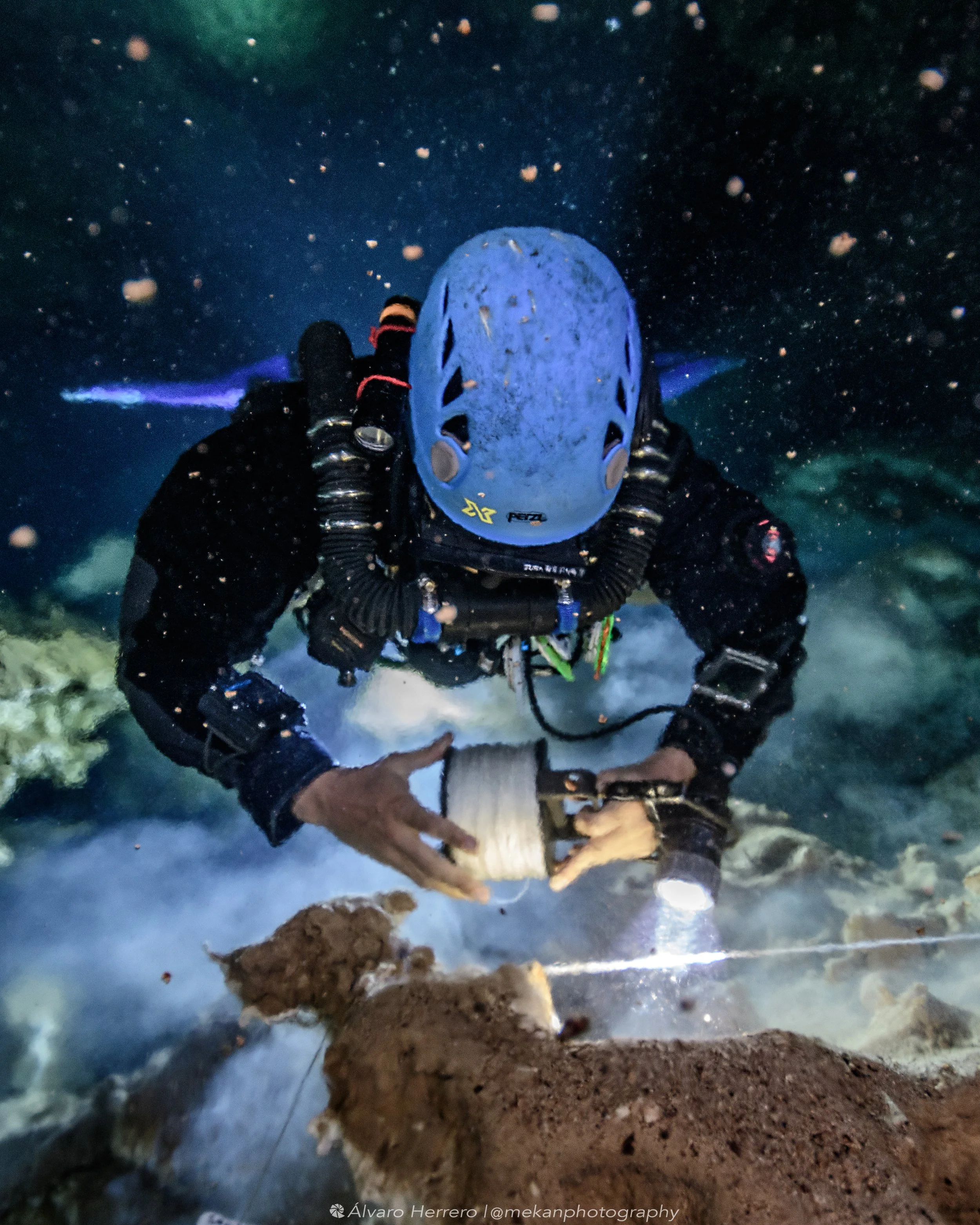
Five Essential Tips for Cave Diving Line Laying. Master Reel Techniques
Learn expert line laying techniques for cave diving. From buoyancy control to choosing the right reel, master these 5 essential skills for safer cave exploration.

Caterpillar Cave System: Exploring the Underground Giant of Muyil
Discover Sistema Caterpillar near Tulum. A massive 33-kilometer underwater cave system connecting multiple cenotes. Learn about Muyil's hidden diving frontier.

Cenote Diving in Tulum: Complete Guide to Cavern Diving in Mexico's Riviera Maya
Discover cenote diving in Tulum, Mexico. Complete guide to safe cavern diving tours in the Riviera Maya with an expert cave explorer. Learn about best cenotes, safety, requirements, and what to expect.

Why Closed Circuit Rebreathers Are Transforming Cave Diving
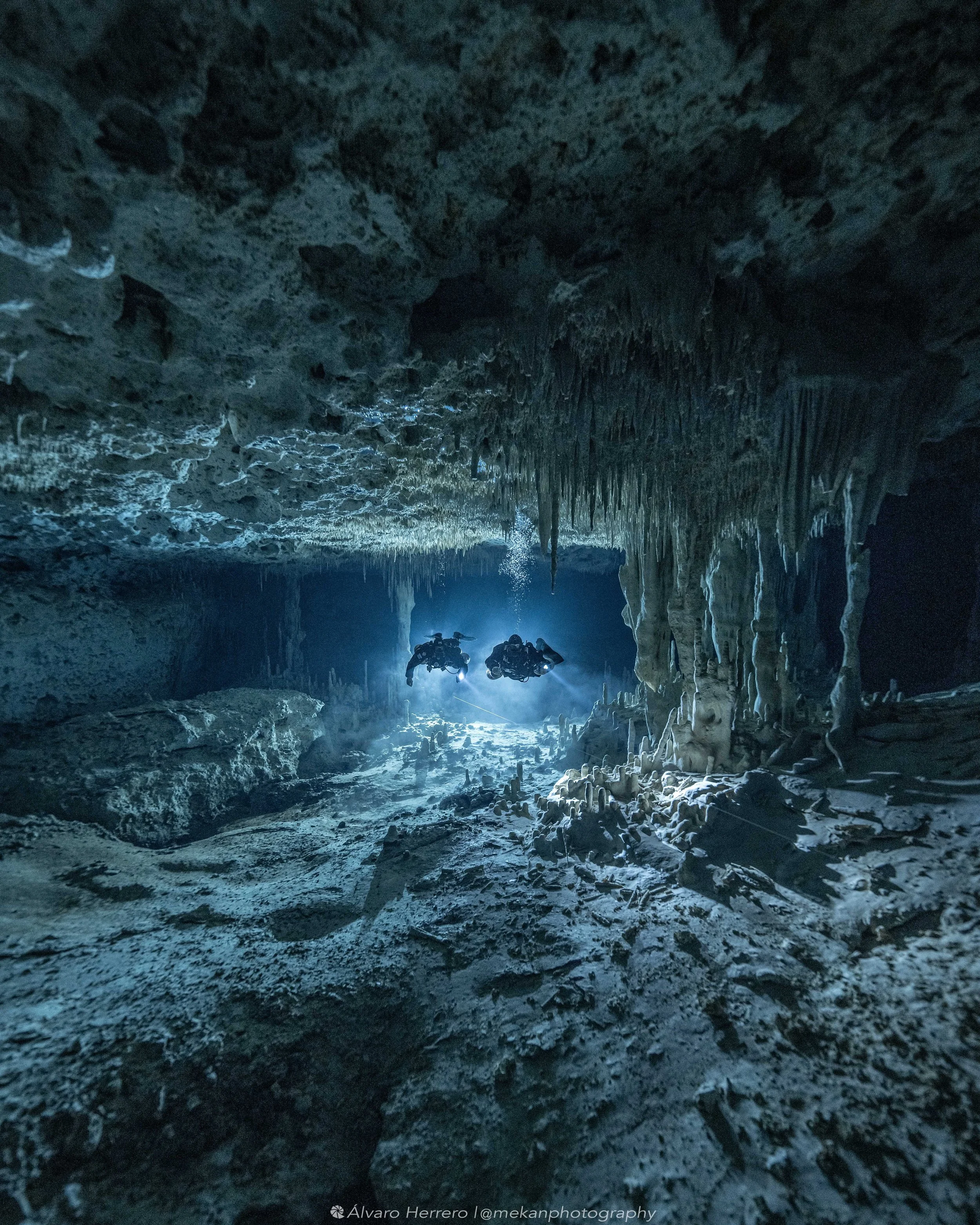
Cave diving represents the pinnacle of technical diving—the most demanding and rewarding pursuits in the underwater world. Over the past two decades, closed circuit rebreathers (CCRs) have revolutionized cave diving, offering advantages that open circuit scuba simply cannot match.
The Rebreather Question: Should You Skip Open Circuit Cave Training?
As rebreathers become more accessible to recreational divers, a common question emerges: should you jump directly into cave rebreather training, or build a foundation with advanced open circuit cave diving first? Drawing on years of teaching and exploration experience in Mexican systems I examine both approaches. While modern CCR technology allows divers to focus on unit-specific skills from the start, open circuit training builds critical mental resilience and gas management intuition that proves invaluable when bailout becomes necessary. Whether you're planning your first cave certification or eyeing those deep, long-range exploration dives, understanding the trade-offs between these training pathways will help shape your unique diving journey.

Seal Drysuits: a cave explorer’s review
As dives get longer, or diving in cooler waters Drysuits become a necessary item for exposure protection. With so many options out there, I have reviewed my current Drysuit - the SEAL. If you need a new drysuit or are looking to move into drysuit diving, this is a must read!
Sidewinder vs Sidewinder 2: WORTH THE WAIT?!
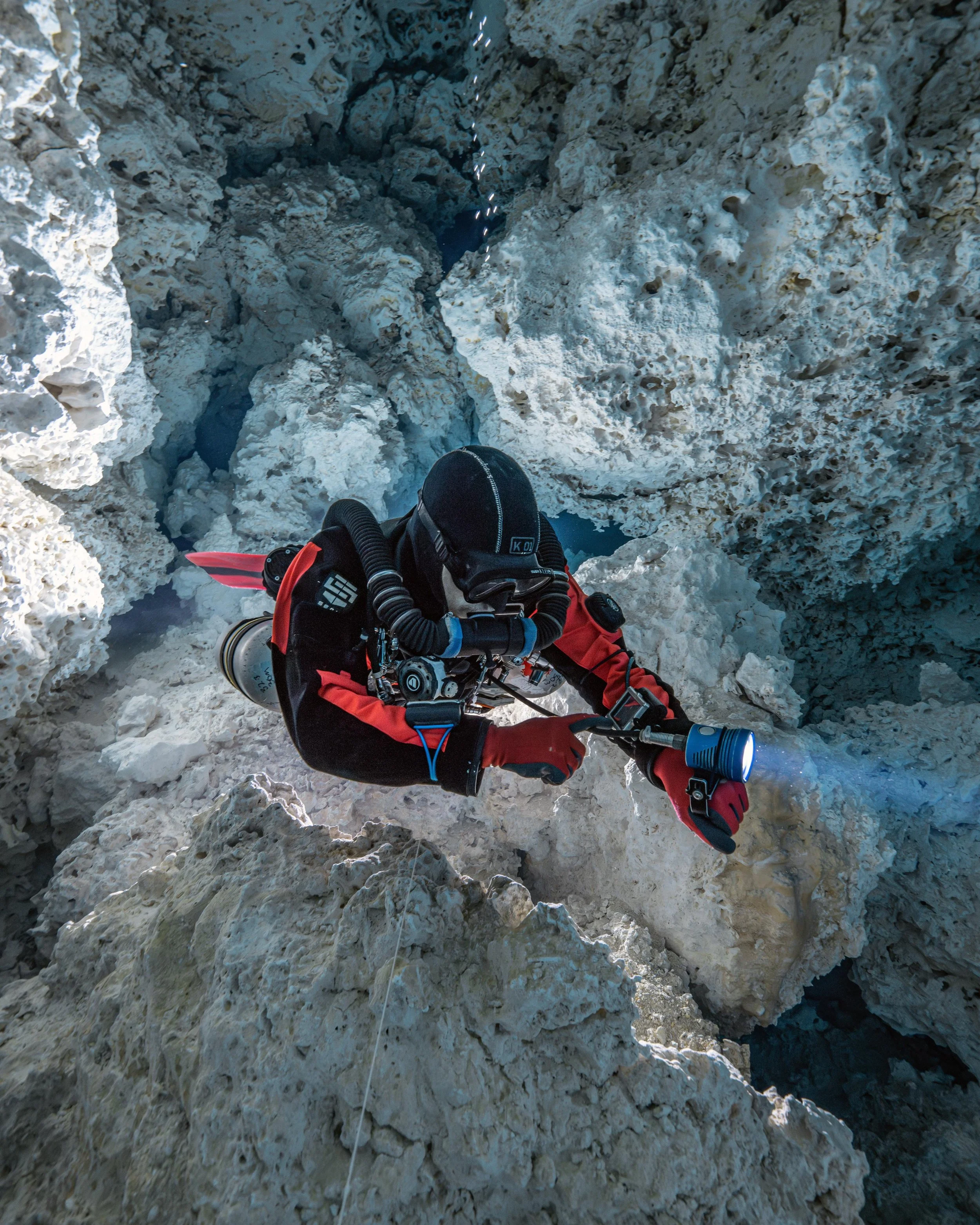
I get this question almost weekly from divers ready to make the jump into CCR cave diving. It's a fair question—nobody wants to drop serious cash on gear only to have the "better" version drop six months later. But here's the thing: while we're all waiting for the revolutionary KISS Sidewinder 2, there are caves to explore and skills to build right now.

Underwater Cave Exploration in Tulum: New Discoveries in Cenote Darth Vader
Ever wondered what it’s like to drop into a pitch-black cenote and discover over 3 kilometers of untouched cave? That’s exactly what happened at Cenote Darth Vader—one of the wildest cave diving adventures in Mexico I’ve been part of. From massive tunnels to eerie, ancient formations, this place felt like something out of another world. Most of the exploration was done on rebreathers, squeezing through tight restrictions, dodging silt-outs, and chasing leads deep in the Riviera Maya’s underwater cave systems. Darth Vader isn’t open for diving now (it’s under the Tren Maya line), but you can still check it out on the Somos Los Cenotes channel. This one’s for the real explorers out there.
Exploration And Finding New Cenotes
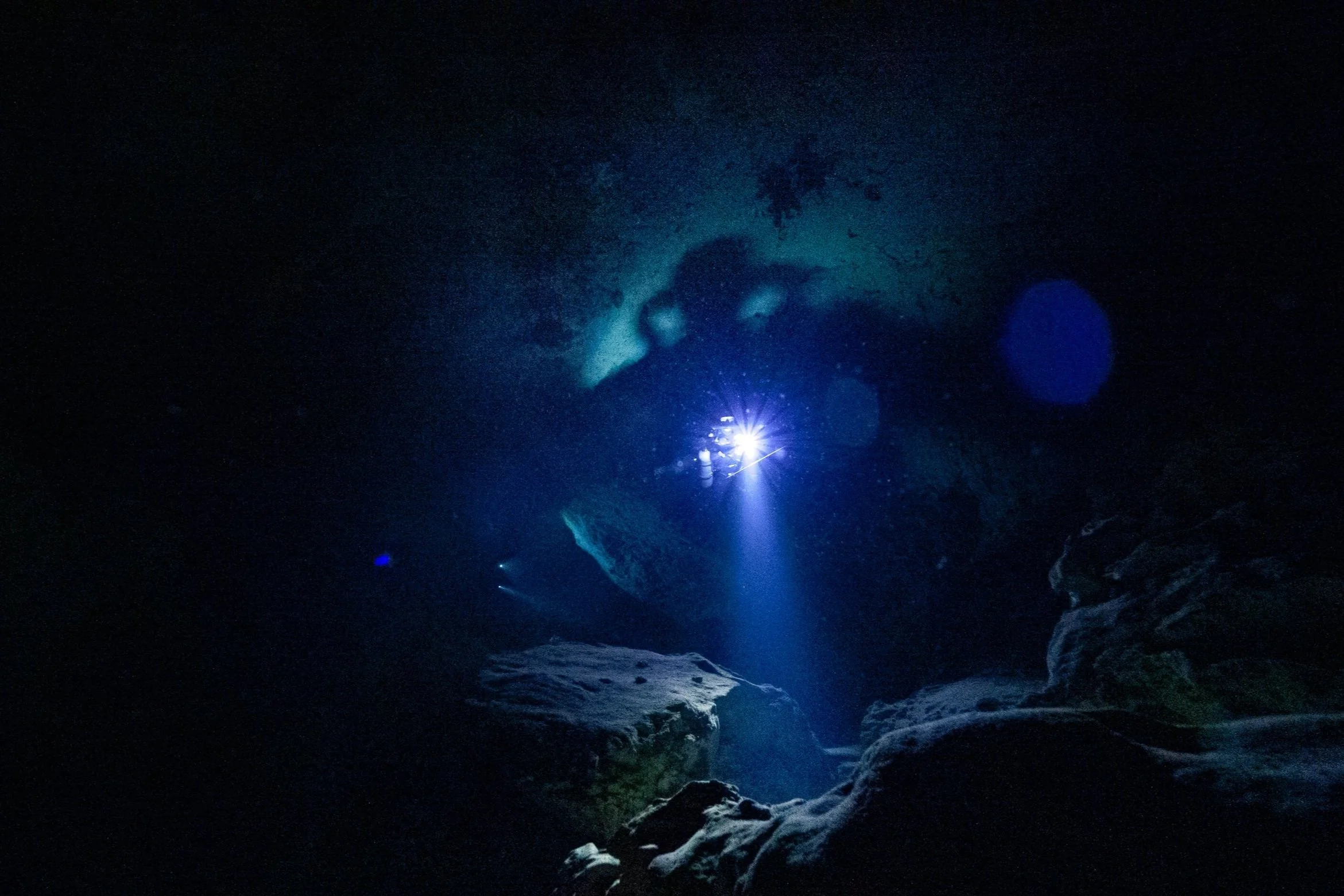
I bungeed my sidemount tanks in place, and then started to work through my pre-dive checks. As I was about to descend into a completely unknown cenote, there was an additional level of excitement, that unique mix of anticipation and responsibility that comes with cave exploration. But then during my checks, I tested my short hose regulator with my face down in the water. As I inhaled, I got a mouthful of both water and air. The regulator was breathing wet, each breath also allowing water in. I couldn’t dive like this… but there was a new cave to explore!
Improve Your Dive Skills: Training in Mexico's cenotes
Mexico offers an ideal setting for advanced diver training due to its shallow caves and warm cenotes, maintaining a constant temperature of 25-26 degrees Celsius. Training in shallow water helps divers hone buoyancy control, crucial for navigating delicate cave environments without causing damage. The low flow conditions allow for mastering finning techniques and teamwork. Unlike seasonal diving locations, Mexican caves are accessible year-round, providing diverse and extensive systems for navigation practice. Furthermore, divers can enjoy local cuisine and cultural activities, making their training experience enjoyable and comprehensive. Overall, Mexico equips divers with essential skills applicable to various diving environments.

True darkness? Light failures and cave diving
Cave divers must carry three lights—one primary and two backups—to ensure safety. Light failures can occur due to human error, battery issues, or equipment damage but are generally minor inconveniences. Team awareness is crucial, as divers can share lights. Modern technologies have significantly reduced light failure risks, promoting safer diving.
Exploring Mexico’s Intricate Cave Systems — OX BEL HA
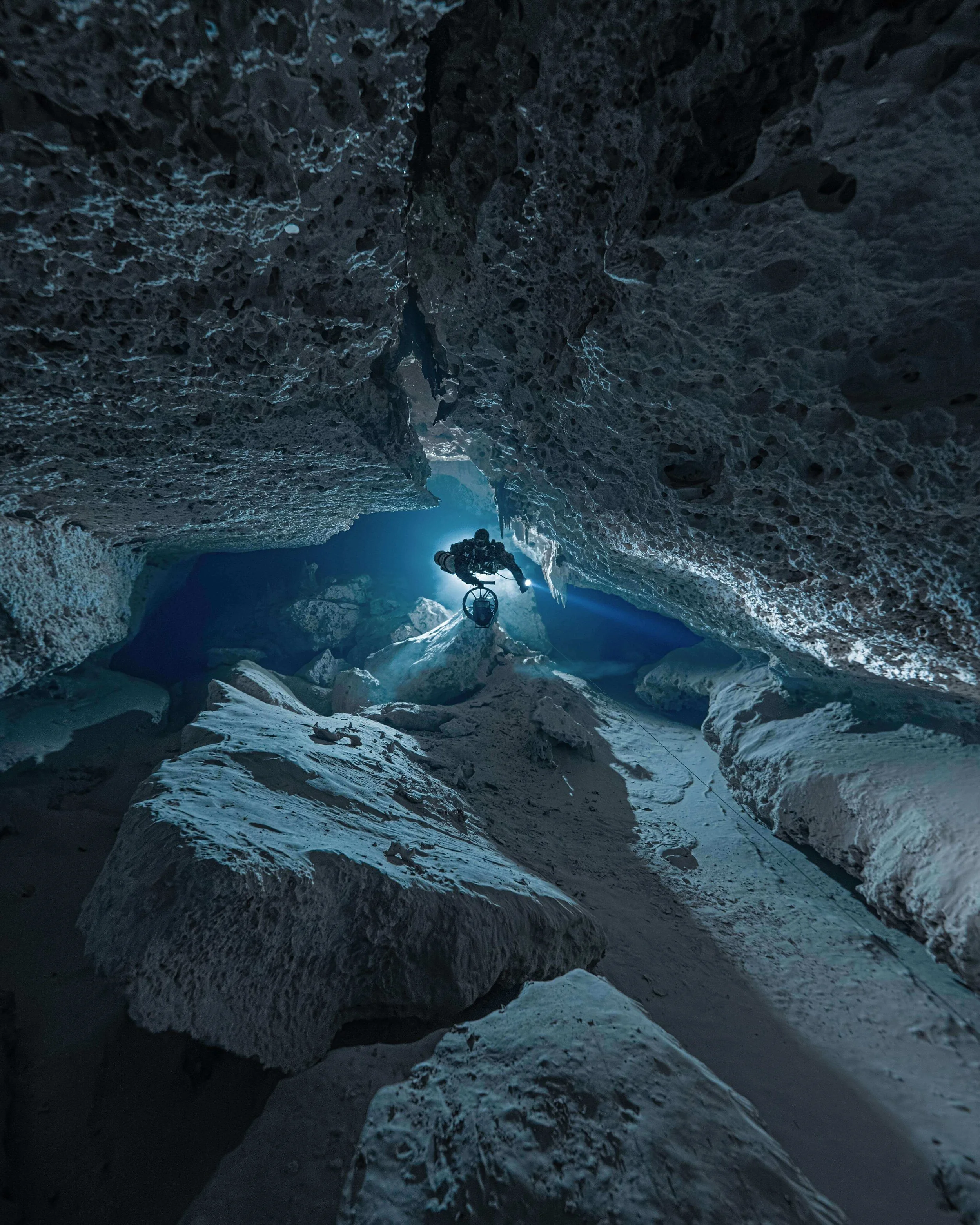
Cave systems refer to interconnected water-filled caves with multiple entrances, notably prevalent in Mexico's cenotes. The Ox Bel Ha Cave System, spanning over 500 kilometers, is a prime example, showcasing intricate tunnel networks. These systems offer unique diving experiences while holding archaeological and ecological significance, reflecting both natural beauty and historical relevance.

Why Sidemount?
Sidemount diving offers enhanced streamlining, mobility, and a reduced vertical profile, allowing divers to navigate tight spaces with ease. This configuration also provides practical benefits, such as easier transportation of tanks, improved stability and trim, and increased safety through true redundancy.

Cenote Tortuga — Mega Tunnels and Ancient Wonders
Cenote Tortuga, explored since the 1990s, is a captivating cave diving site near Tulum, characterized by tannic freshwater and dazzling saltwater tunnels. Its striking formations and ancient turtle shells, dating back 200,000 years, add historical depth. Despite its shorter system, each dive reveals unique underwater landscapes, making it a memorable expedition.
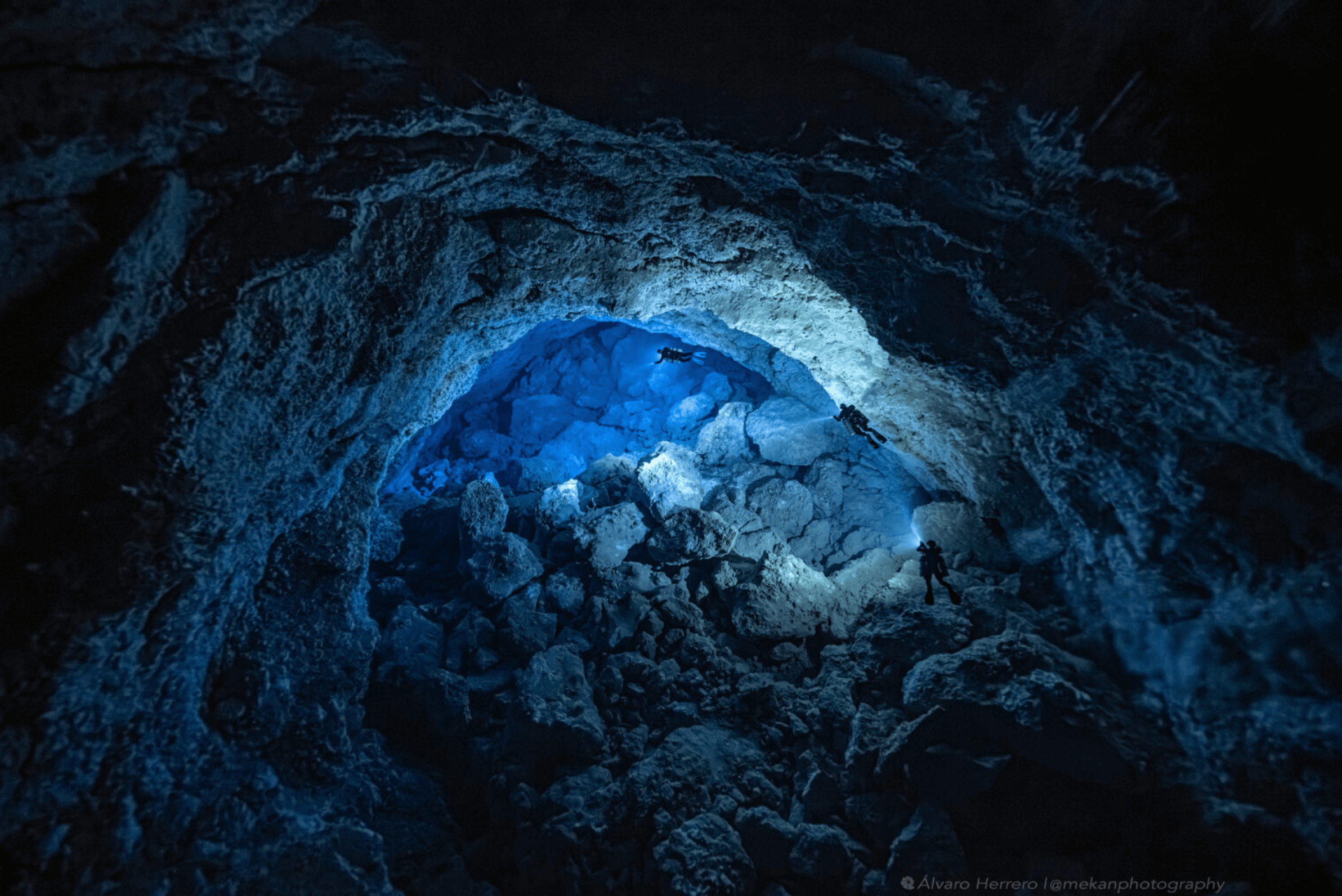
Exploring the Blue Abyss: Deep Cave Dive Project
This post highlights the incredible depths of Quintana Roo's cave systems, focusing on the Pit at 120 meters and the Blue Abyss at 112 meters. I also touch on the challenges of accessing other deep sites like Yab Yum and Hoyo Negro. I dive into our 2022 exploration of the Blue Abyss with Jake Bulman, sharing the experience and the unique obstacles we faced.