
kiss sidewinder 2 updates
If you've been following along with me for any length of time, you know how much I love my KISS Sidewinder Rebreather. It changed the way a lot of us think about rebreather diving in Mexico (my super heavy and big JJ was for only those dives I could not do open circuit, now there’s few dives I wouldn’t do on the Sidewinder) - particularly where bigger, heavy backmount units just don’t make sense. For a couple of years now, a question has dominated my messages, emails and many conversations at the cenote parking area: "Should I wait for the Sidewinder 2?"
Well, friends, the wait is no longer hypothetical. Let's look at where things stand.
The Big News: CE Approval Has Landed FOR THE SIDEWINDER 2
KISS Sidewinder 2 Rebreather
In January 2026, KISS Rebreathers officially announced that the Sidewinder 2 has received CE certification — a critical regulatory milestone required for the unit to be sold and used in Europe. This came after months of intensive work with the DEKRA certification team, and what makes it especially significant is that the unit passed every test on the first attempt, with zero design changes required. That's not a small thing. Certification processes for rebreathers are notoriously demanding, and for a unit this technically ambitious to sail through clean is a genuine testament to the quality of the engineering work done by the XDEEP and KISS teams.
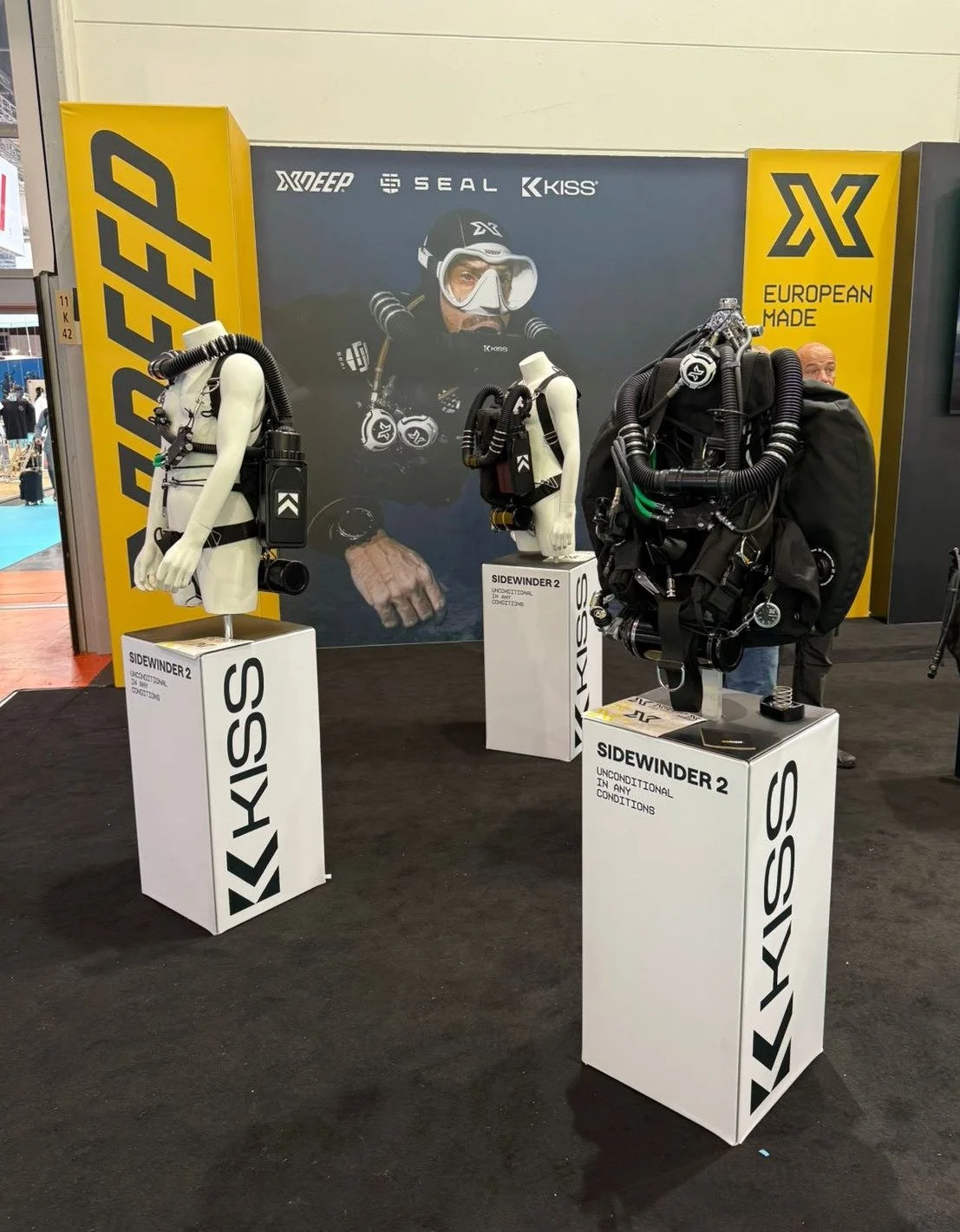
Sidewinder 2 on display at BOOT Show
The unit was shown publicly at Boot Düsseldorf in late January 2026, where divers could finally see the CE version in person and meet the people behind the project. It has since been seen in other European dive expos.
Note, the unit has been CE certified in single tank backmount configuration, because the mannequin in sidemount configuration did not fit the test chamber!
A Quick History: How Did We Get Here?
The Sidewinder 2 is not simply a refreshed version of the original. This is a completely ground-up redesign, developed after the Darkwater Group — which also owns XDEEP and SEAL Drysuits — acquired KISS Rebreathers in 2020. XDEEP's CEO and lead designer Piotr Czernik partnered with KISS Training Director Patrick Widmann to take the original concept Mike Young created and push it into entirely new territory.
The stated philosophy at XDEEP is: "If we can't revolutionize it, we won't pursue it." They weren't kidding. What started as a plan to make minor technical adjustments and secure CE certification snowballed into years of laboratory research, failed prototypes, expensive new manufacturing tooling, and genuine scientific inquiry into scrubber chemistry and cold-water performance. EU funds supported part of the project as a formal scientific research initiative, which allowed the team to run dozens of scrubber endurance tests at simulated depths and temperatures that most manufacturers simply don't have the resources to investigate this thoroughly.
The result is something that genuinely earns the "2" designation.
What Makes the Sidewinder 2 Different?
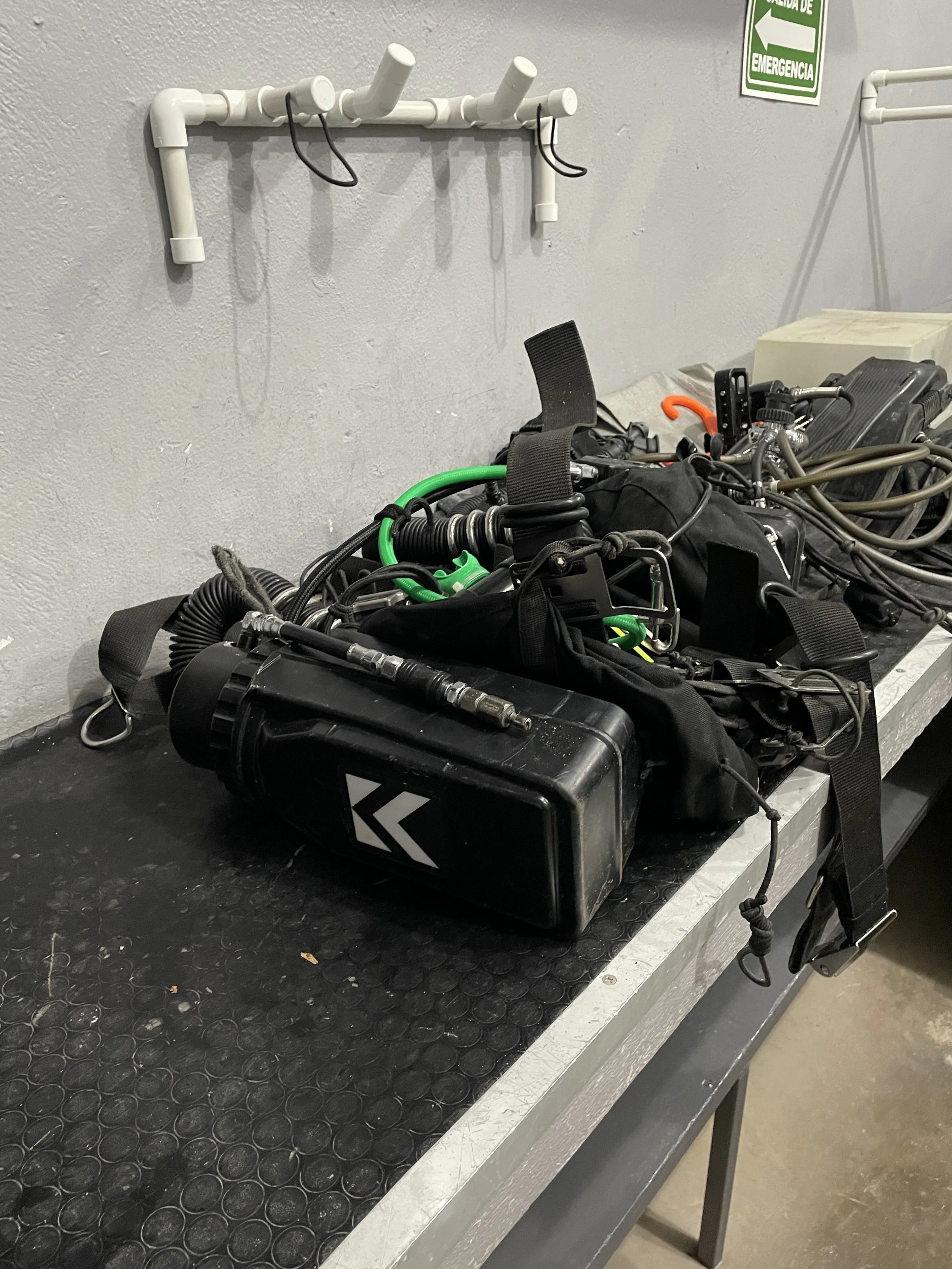
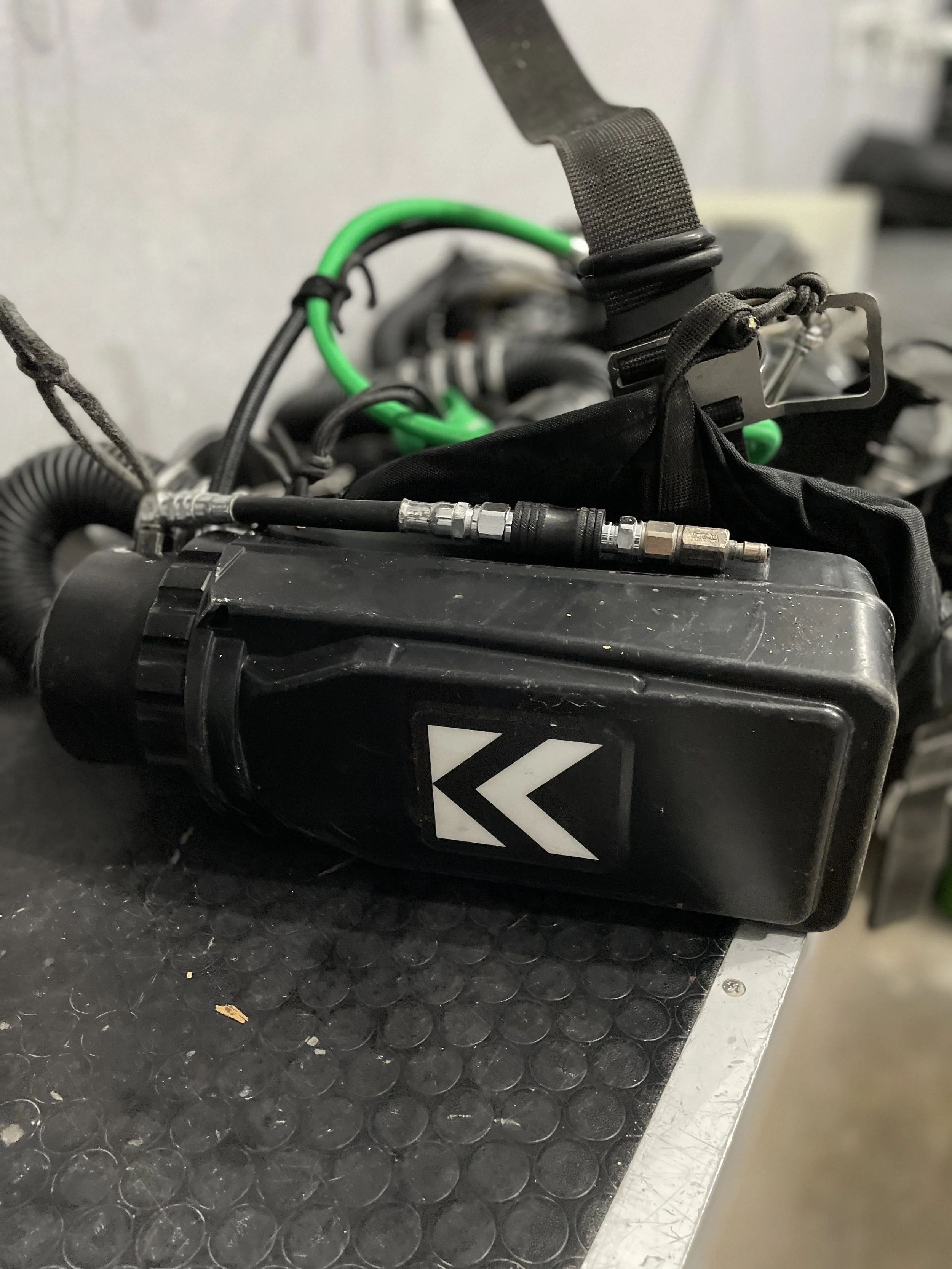
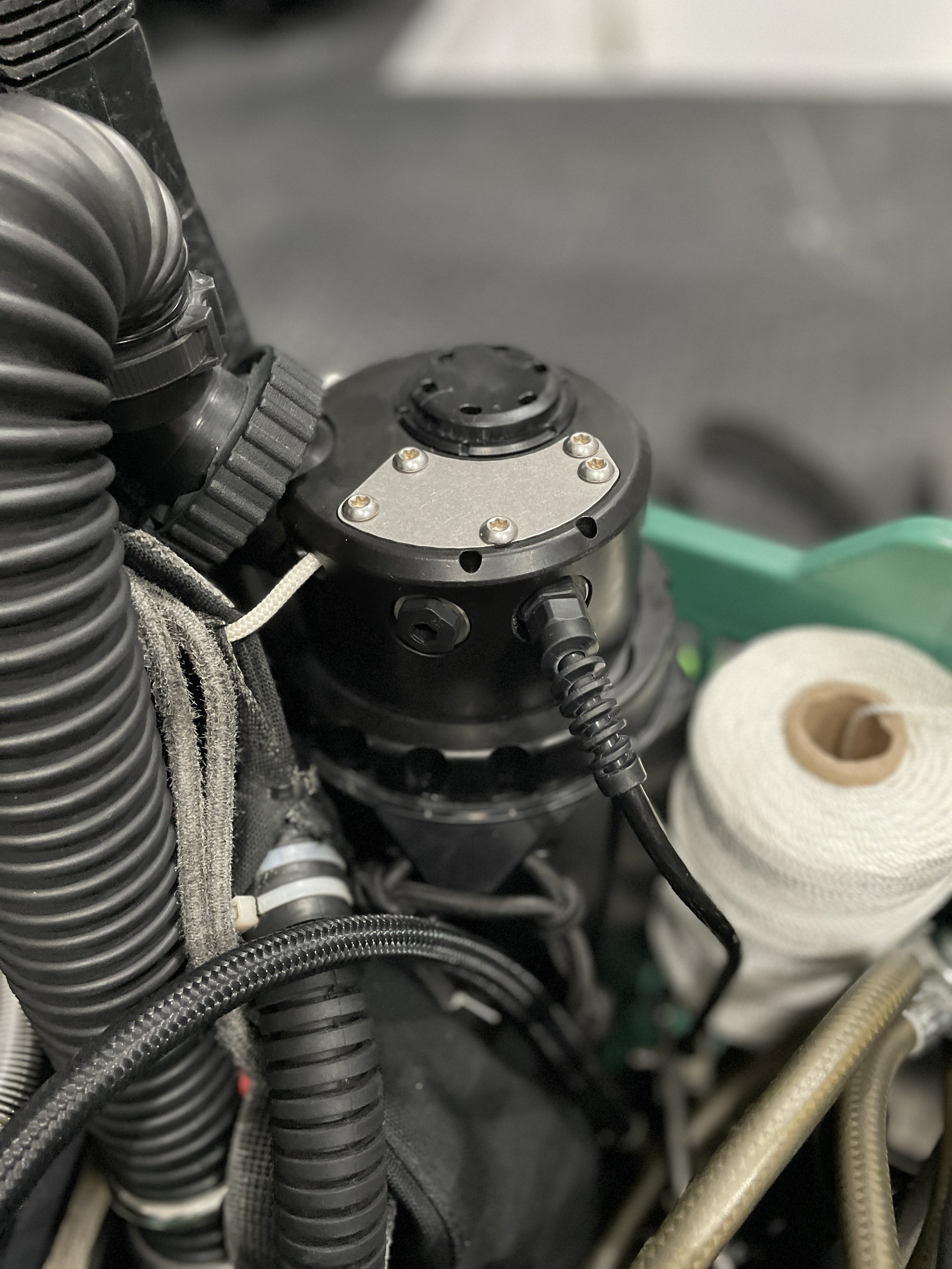
The Crossflow Scrubber System
This is the headline engineering achievement. The Sidewinder 2 features a unique crossflow scrubber canister design — a solution that is new to the rebreather market. The XDEEP team spent over a year testing various canister concepts specifically to tackle two interrelated problems: scrubber efficiency in cold water and overbreathing resistance. Their laboratory work apparently overturned some widely accepted assumptions in the industry, and the crossflow design they landed on represents a genuine breakthrough in absorbent canister engineering.
The practical result for the diver is longer scrubber endurance and better cold-water performance — critical factors for cave divers who push long bottom times in the mines of Sweden, German and Belgium, the caves of Canada, or the cold cave systems of Europe.
True Modularity
This is where the Sidewinder 2 really separates itself conceptually from the pack. The unit is designed from the ground up with modularity as a core feature rather than an afterthought. One rebreather, three configurations:
Classic sidemount with twin sidemount tanks — the familiar setup Sidewinder divers know and love
Single backmount cylinder — a configuration that brings a simplicity for recreational diving or boat diving
Chestmount — a configuration where the canisters and countlung are frontmounted on the divers chest, allowing diving in any configuration - single tank, doubles, sidemount.
The Modular Port System — an innovation that arose from what initially appeared to be a manufacturing failure — uses removable port inserts secured with a pin. Ports can be locked in place or rotated freely, allowing angled configurations to be set in any desired position. It's the kind of elegant engineering solution that only emerges when a team is willing to throw out a failing design and start fresh..
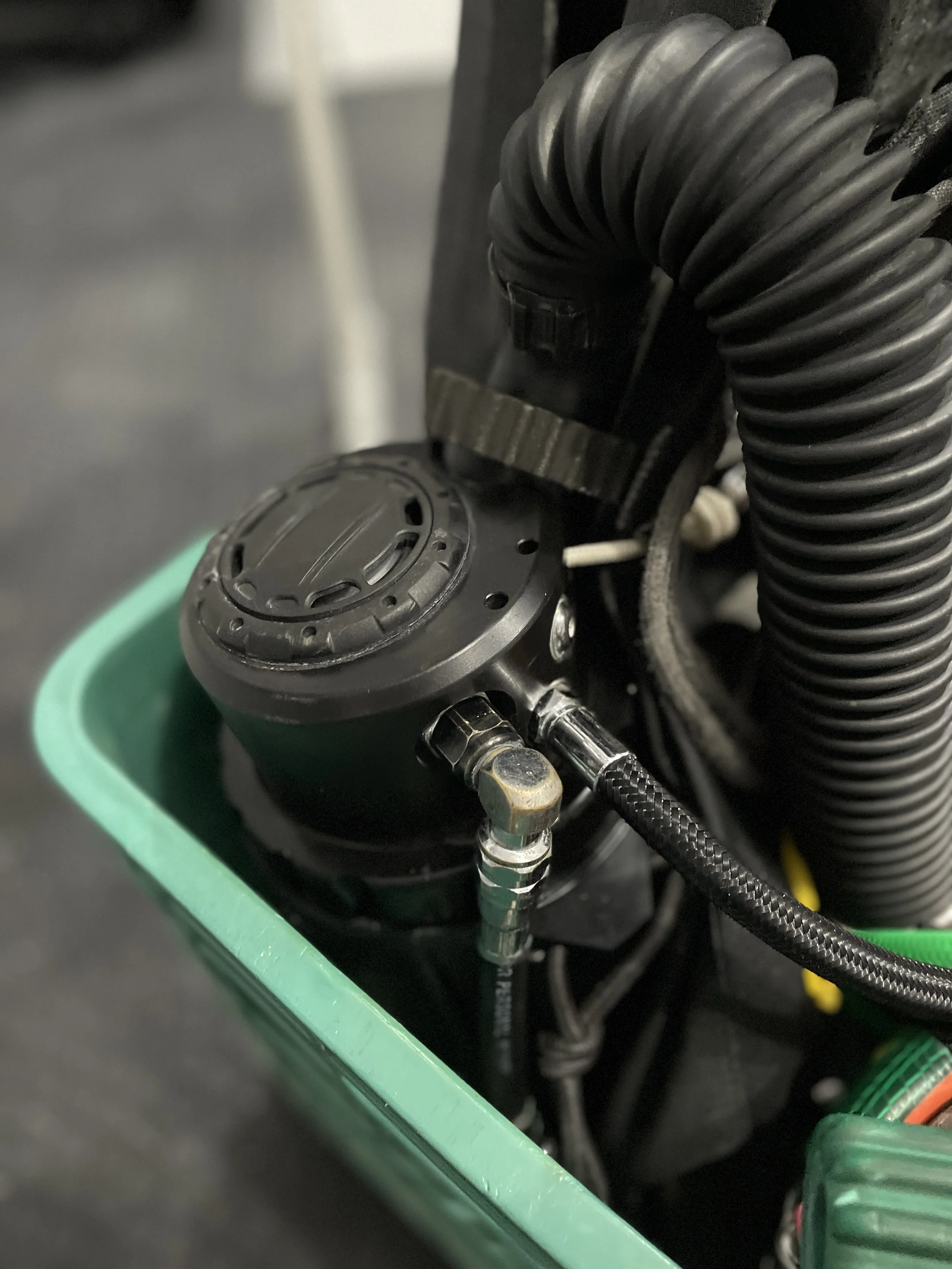
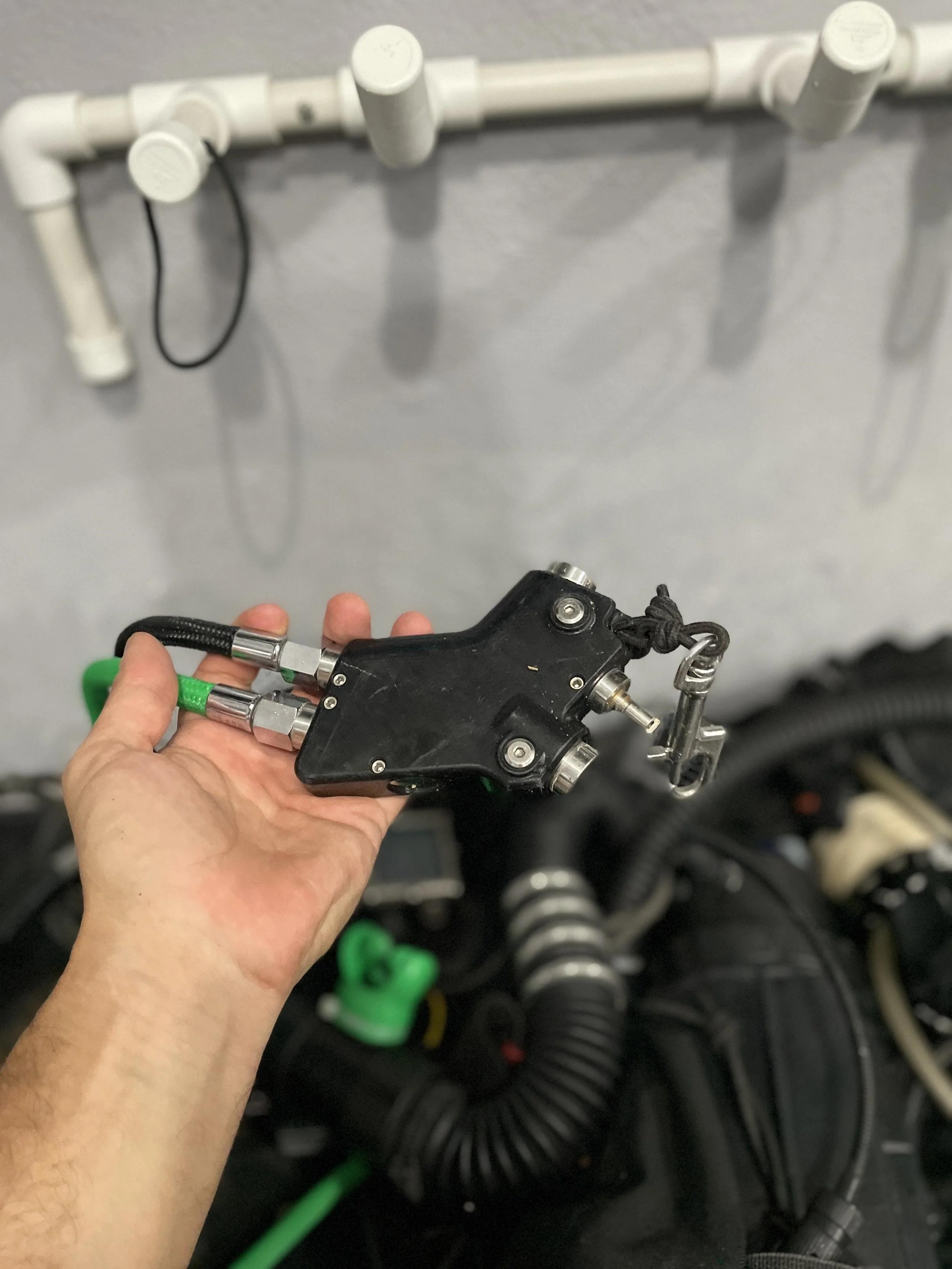
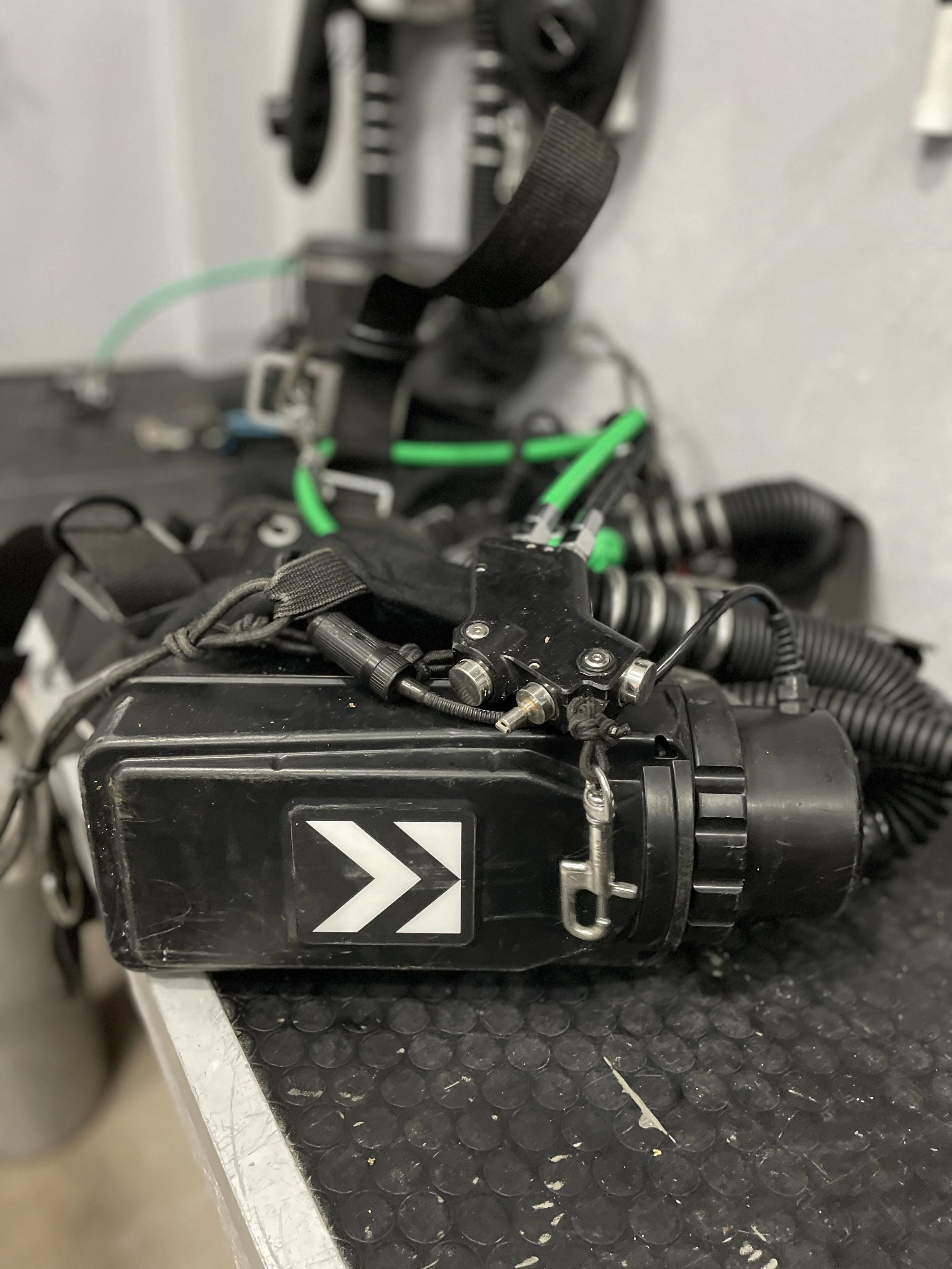
Cold-Water Capability
Every Sidewinder 2 feature — from the crossflow canisters, the insulated canister to the overall design philosophy — has been validated against cold water conditions. The team ran scrubber endurance tests at simulated depths of 40m and water temperatures of 4°C. For those of us who dive caves in temperate and cold climates, or who plan expeditions to deep spring systems, this level of testing is enormously reassuring.
What About the Sidewinder 1?
Here's the honest take: the original Sidewinder is a fantastic unit. If you're ready to begin your rebreather diving career right now and waiting is not an option the Sidewinder is a great option. Getting on one gives you real experience, real cave hours, and real competency — all of which will make you a better diver on the Sidewinder 2 when the time comes.
KISS has indicated that Sidewinder 1 owners will be offered a trade-in option when they choose to upgrade. So there's a path forward for those who want to dive now rather than wait.
KISS has stopped production of the Sidewinder, so purchasing a new unit is not an option, but there are second hand units for sale, and I have a rental for teaching.
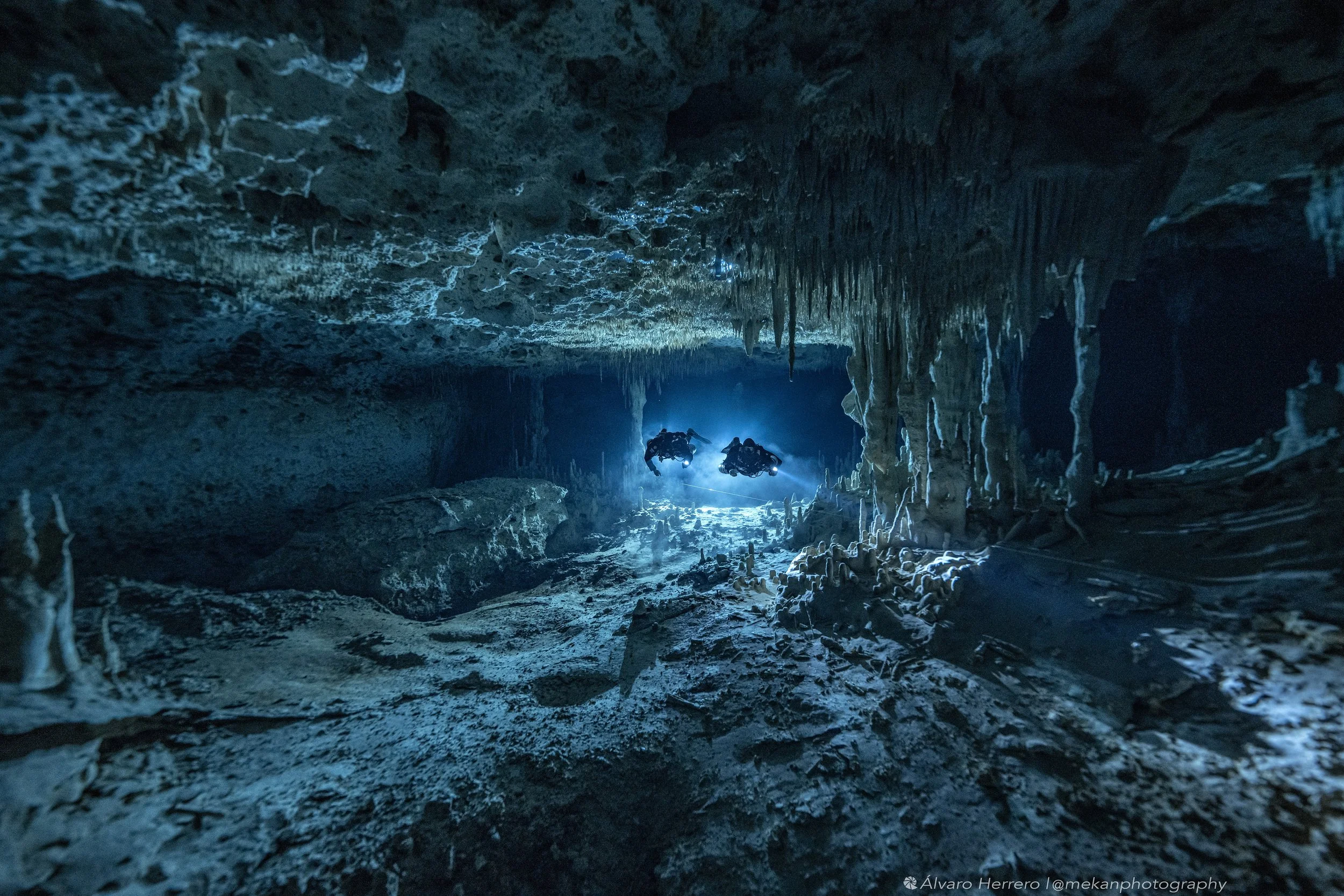
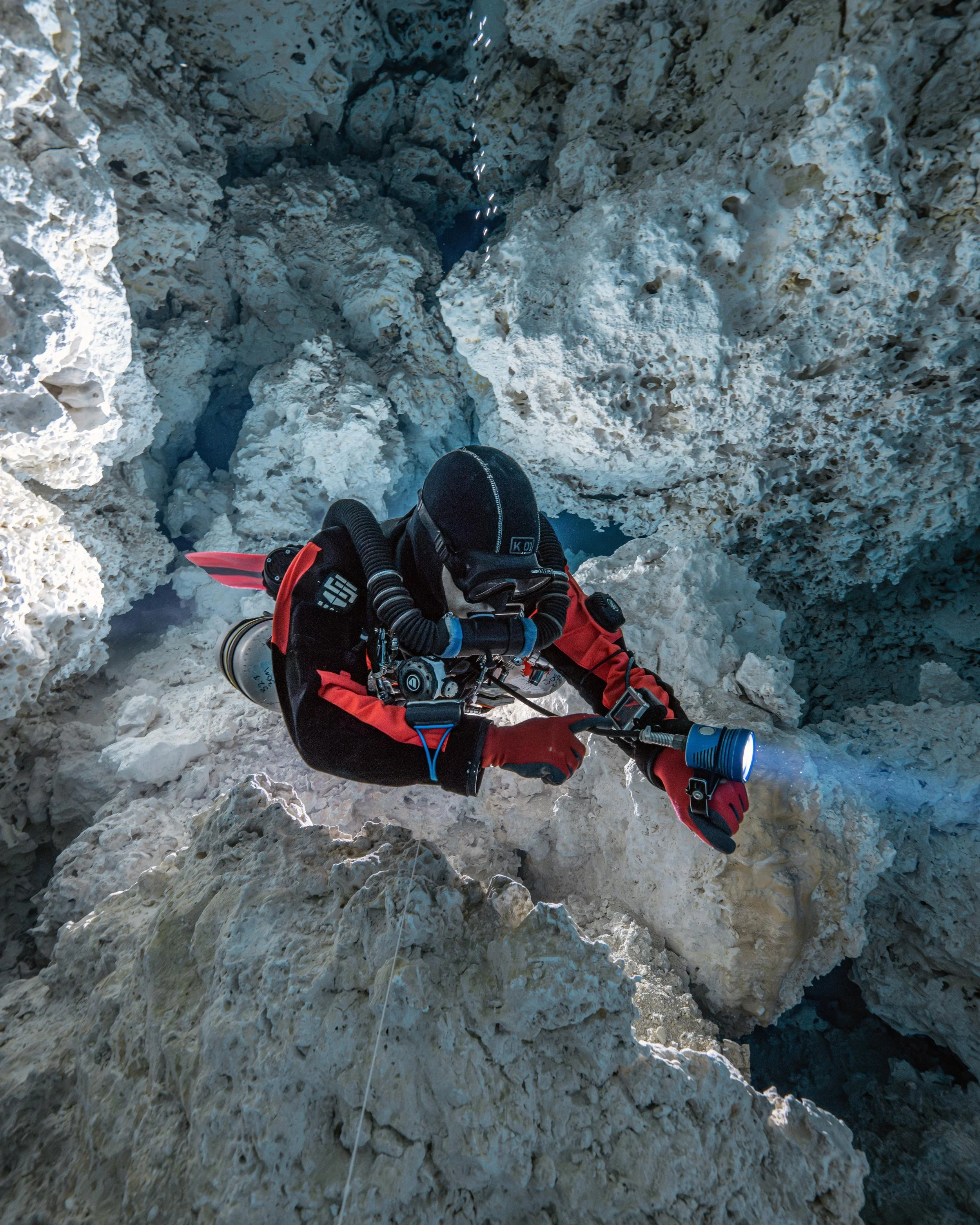
Cave Diving with Sidewinder CCRs (Photo by Alvaro Herero)
Training: When Can You Expect It?
CE approval is the milestone that unlocks everything, but the training pipeline still needs time to build out. Here's the realistic picture as of early 2026:
KISS instructors need to be certified on the Sidewinder 2, and they in turn need to complete their Sidewinder 2 instructor workshops before training can flow out to the broader community. Based on current information from KISS Training Director Patrick Widmann, most training providers are looking at late 2026 — likely September or October — before they can offer full Sidewinder 2 courses to divers. There are instructor workshops scheduled in August in Poland.
We are still currently waiting for units to be shipped out for instructors, which is looking like it will happen in May outside Europe.
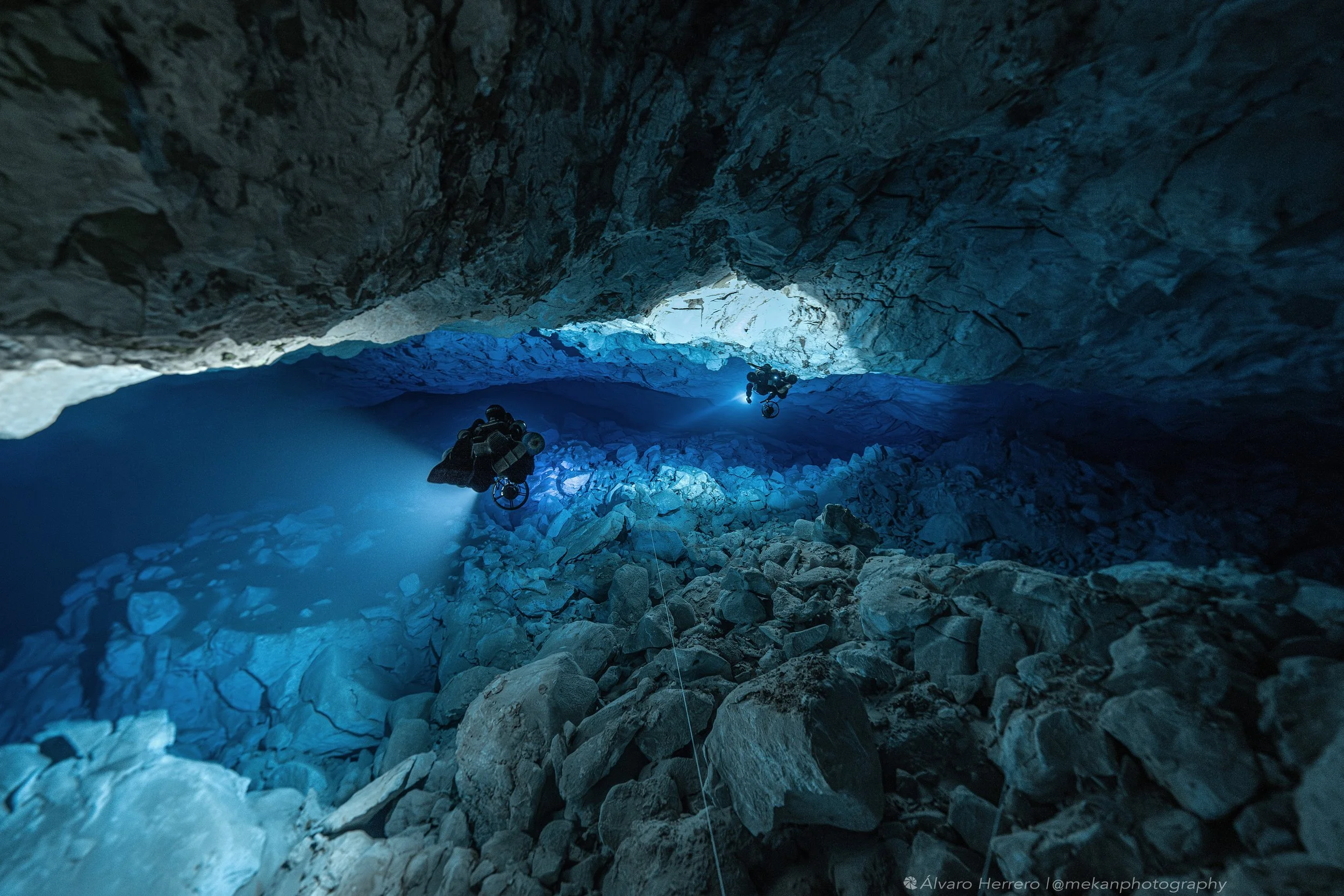
Diving the deep cave at Cenote Yaakun on the Sidewinder CCR (Photo by Alvaro Herero)
The Bottom Line
The Sidewinder 2 has been a long time coming — years longer than anyone initially expected. But the story of why it took so long is also the story of why it's worth the wait. This team didn't cut corners when the certification timeline slipped. They went back to the laboratory, did the science, and built something that will set a new benchmark for sidemount CCR diving.
CE certification is done. The first 50 units are in production. Instructor training is building toward a late-2026 rollout. If you've been holding out for this unit, the finish line is finally visible.
And if you haven't started your rebreather journey yet — what are you waiting for? There is the Sidewinder!
Stay tuned for upcoming coverage as the first Sidewinder 2 units reach instructors, and as training opportunities begin to open up. I will be sharing first-hand impressions as soon as I get to dive with one!
Sources: KISS Rebreathers, XDEEP, Divernet, InDEPTH Magazine, Patrick Widmann (KISS Training Director) — as of March 2026
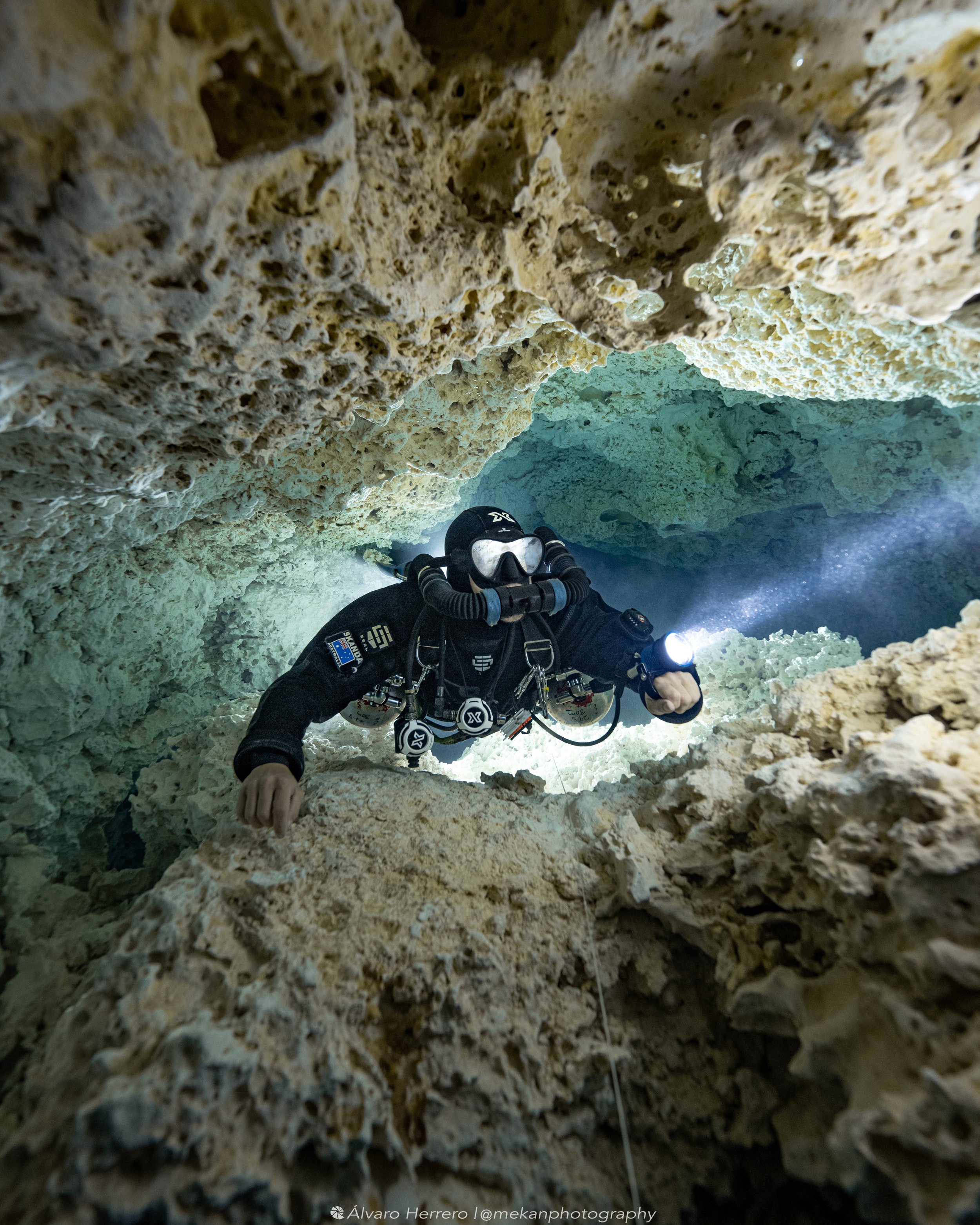
The Sidewinder Rebreather in it’s best environment - cave diving!. (Photo by Alvaro Herero)
GET CERTIFIED ON CCR
Ready to start CCR Training?
Book your CCR Experience Day on the Sidewinder or discuss CCR training options.
